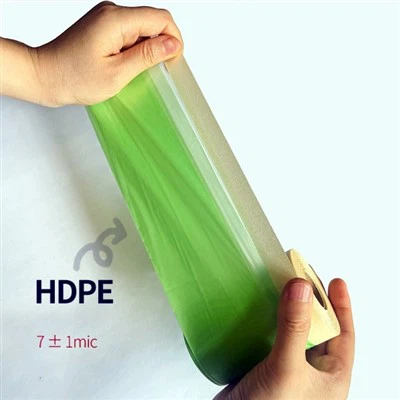
In today's world, environmental concerns have become increasingly prominent, and industries are constantly seeking ways to reduce their ecological footprint. As a stretch film supplier, I am often asked, "Are there any eco-friendly stretch films?" This question reflects the growing demand for sustainable packaging solutions in the market. In this blog post, I will explore the availability and benefits of eco-friendly stretch films, and how our company is contributing to a greener future.
The Need for Eco-Friendly Stretch Films
Stretch films are widely used in various industries for packaging and palletizing products. They provide a cost-effective and efficient way to secure and protect goods during transportation and storage. However, traditional stretch films are typically made from non-renewable resources such as polyethylene, which can take hundreds of years to decompose in landfills. This has led to concerns about the environmental impact of these films, including pollution, resource depletion, and greenhouse gas emissions.
Consumers and businesses are becoming more environmentally conscious and are actively seeking sustainable alternatives to traditional stretch films. Eco-friendly stretch films offer a solution to these concerns by reducing the environmental impact of packaging while still providing the same level of performance and protection.
Types of Eco-Friendly Stretch Films
There are several types of eco-friendly stretch films available in the market, each with its own unique features and benefits. Some of the most common types include:
Biodegradable Stretch Films
Biodegradable stretch films are made from materials that can be broken down by natural processes into water, carbon dioxide, and biomass. These films are typically made from renewable resources such as corn starch, sugarcane, or cellulose. Biodegradable stretch films offer several benefits, including reduced environmental impact, improved sustainability, and compliance with environmental regulations.
Compostable Stretch Films
Compostable stretch films are similar to biodegradable films, but they are designed to break down in a composting environment. These films are typically made from organic materials such as plant fibers or polymers derived from renewable resources. Compostable stretch films offer the same benefits as biodegradable films, but they can also be used to create nutrient-rich compost that can be used to fertilize soil.
Recyclable Stretch Films
Recyclable stretch films are made from materials that can be recycled into new products. These films are typically made from polyethylene or polypropylene, which are widely recycled materials. Recyclable stretch films offer several benefits, including reduced environmental impact, improved sustainability, and cost savings.


Benefits of Eco-Friendly Stretch Films
Eco-friendly stretch films offer several benefits for businesses and the environment. Some of the key benefits include:
Reduced Environmental Impact
Eco-friendly stretch films are made from renewable resources or materials that can be broken down by natural processes, which reduces the environmental impact of packaging. These films also require less energy to produce and transport, which further reduces their carbon footprint.
Improved Sustainability
By using eco-friendly stretch films, businesses can demonstrate their commitment to sustainability and environmental responsibility. This can help to improve their brand image and reputation, as well as attract environmentally conscious customers.
Compliance with Environmental Regulations
Many countries and regions have implemented environmental regulations that require businesses to use sustainable packaging materials. By using eco-friendly stretch films, businesses can ensure compliance with these regulations and avoid potential fines or penalties.
Cost Savings
Eco-friendly stretch films can offer cost savings for businesses in several ways. For example, biodegradable and compostable films can reduce waste disposal costs, while recyclable films can reduce the need for new raw materials. Additionally, some eco-friendly stretch films may be eligible for government incentives or subsidies, which can further reduce costs.
Our Company's Commitment to Sustainability
As a stretch film supplier, we are committed to providing our customers with high-quality, eco-friendly stretch films that meet their packaging needs. We offer a wide range of eco-friendly stretch films, including biodegradable, compostable, and recyclable options. Our films are made from renewable resources and are designed to provide the same level of performance and protection as traditional stretch films.
In addition to offering eco-friendly stretch films, we are also committed to reducing our own environmental impact. We have implemented several sustainability initiatives in our manufacturing processes, including energy-efficient equipment, waste reduction programs, and recycling initiatives. We also work closely with our suppliers to ensure that they are using sustainable practices and materials.
Conclusion
In conclusion, there are several eco-friendly stretch films available in the market that offer a sustainable alternative to traditional stretch films. These films are made from renewable resources or materials that can be broken down by natural processes, which reduces the environmental impact of packaging. By using eco-friendly stretch films, businesses can demonstrate their commitment to sustainability and environmental responsibility, while also improving their brand image and reputation.
As a stretch film supplier, we are committed to providing our customers with high-quality, eco-friendly stretch films that meet their packaging needs. If you are interested in learning more about our eco-friendly stretch films or would like to discuss your packaging requirements, please contact us. We would be happy to help you find the right solution for your business.
References
- "Biodegradable Plastics: An Overview." Journal of Polymers and the Environment, vol. 15, no. 2, 2007, pp. 63-72.
- "Compostable Packaging Materials: A Review." Packaging Technology and Science, vol. 23, no. 3, 2010, pp. 167-181.
- "Recycling of Plastic Packaging: A Review." Resources, Conservation and Recycling, vol. 55, no. 1, 2011, pp. 1-21.