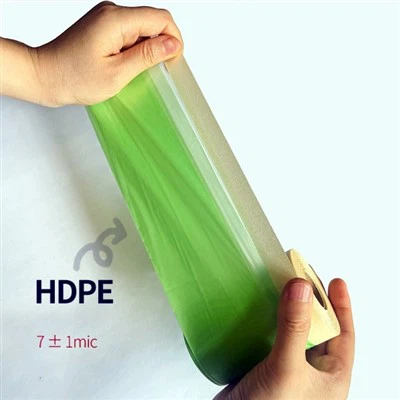
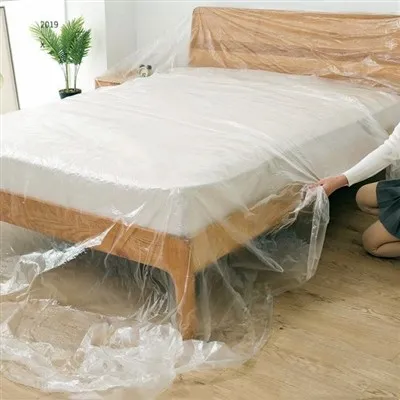
Hey there! As a supplier of 3M Masking Films, I often get asked a bunch of questions about where these films can be used. One question that pops up quite a bit is, "Can 3M Masking Films be used for rubber surface protection?" Well, let's dig into this topic and find out.
First off, let's talk a bit about what 3M Masking Films are. These films are known for their high - quality and versatility. They're designed to provide protection in various situations, whether it's during painting jobs, protecting surfaces from scratches, or just keeping things clean. 3M has a long - standing reputation for making top - notch products, and their masking films are no exception.
Now, when it comes to rubber surfaces, they have their own unique set of characteristics. Rubber is flexible, can be porous in some cases, and has different levels of hardness. These factors play a big role in determining whether 3M Masking Films are a good fit.
One of the main benefits of using 3M Masking Films on rubber surfaces is protection against scratches and abrasions. Rubber parts, especially those on cars or industrial equipment, can easily get scratched during normal use or maintenance. A good quality masking film can act as a barrier between the rubber and potential scratching agents. For example, if you're working on a car and there are rubber seals around the doors or windows, applying a Car Transparent Film can prevent them from getting scratched by tools or other objects.
Another advantage is protection from chemicals. Rubber can be sensitive to certain chemicals, and exposure to them can cause degradation over time. 3M Masking Films can provide a layer of protection against chemicals like solvents, oils, and cleaning agents. This is particularly useful in industrial settings where rubber components are often exposed to a variety of chemicals.
But it's not all sunshine and rainbows. There are some challenges when using 3M Masking Films on rubber surfaces. One issue is adhesion. Rubber has a different surface texture compared to other materials like metal or glass. In some cases, the masking film might not adhere as well as it should, especially if the rubber surface is dirty or has an oily residue. To ensure good adhesion, it's important to clean the rubber surface thoroughly before applying the film.
Temperature can also be a factor. Rubber expands and contracts with temperature changes, and if the masking film doesn't have the same level of flexibility, it might start to peel off or wrinkle. 3M offers different types of masking films with varying degrees of flexibility, so it's crucial to choose the right one for the temperature conditions the rubber surface will be exposed to.
Let's take a look at some real - world applications. In the automotive industry, rubber parts are everywhere. From gaskets to seals, these rubber components need protection. Car Anti - scratch Protective Film can be used to protect rubber trim on the exterior of the car, giving it a longer lifespan and a better appearance.


In the industrial sector, rubber hoses and belts are commonly used. Applying a masking film can protect these rubber parts from wear and tear, as well as from exposure to chemicals in the manufacturing environment. For example, in a chemical processing plant, rubber hoses carrying corrosive substances can be protected with a suitable 3M Masking Film.
When it comes to choosing the right 3M Masking Film for rubber surface protection, there are a few things to consider. First, look at the thickness of the film. Thicker films generally offer more protection but might be less flexible. If the rubber surface needs to bend or flex a lot, a thinner film might be a better choice.
The adhesive strength is also important. You want a film that will stick well to the rubber surface but can also be removed easily without leaving any residue. 3M offers films with different adhesive strengths, so you can pick the one that suits your needs.
Now, if you're in the market for 3M Masking Films for rubber surface protection or any other application, we've got you covered. We're a reliable supplier with a wide range of 3M Masking Films. Whether you need a China Factory Supply Masking Film For Painting or a film for protecting rubber parts, we can provide the right product for you.
If you're interested in learning more about our products or want to start a purchase negotiation, don't hesitate to reach out. We're here to help you find the best solution for your specific needs.
In conclusion, 3M Masking Films can definitely be used for rubber surface protection, but it's important to understand the characteristics of the rubber surface and choose the right film. With the right film and proper application, you can enjoy the benefits of scratch protection, chemical resistance, and a longer lifespan for your rubber components.
References
- 3M Product Catalog
- Automotive Industry Reports on Surface Protection
- Industrial Rubber Component Usage and Protection Studies