Hey there! As a masking film supplier, I often get asked if masking film can be used for wall painting. Well, let's dive right into it and find out.
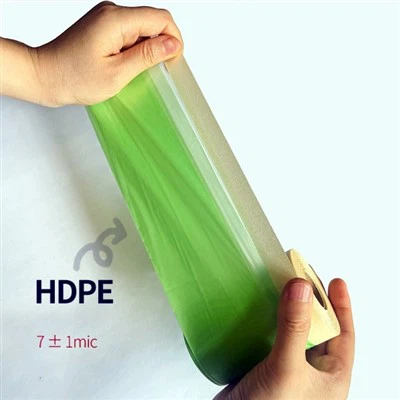
First off, what exactly is masking film? Masking film is a type of protective film that's designed to cover and protect surfaces during painting, staining, or other finishing processes. It's usually made from a thin plastic material with an adhesive backing that allows it to stick to surfaces without leaving any residue behind when removed.
Now, can it be used for wall painting? The short answer is yes! Masking film is a great tool for wall painting, especially when you want to achieve clean, sharp edges and protect areas that you don't want to get painted. Here's why:
1. Precision Painting
One of the biggest advantages of using masking film for wall painting is that it allows you to paint with precision. When you're painting a wall, you might want to create a distinct border between different colors or protect certain areas, like baseboards, windows, or electrical outlets. Masking film can be easily cut to size and applied to these areas, creating a barrier that prevents paint from bleeding onto unwanted surfaces. This means you can achieve a professional-looking finish without having to worry about making messy mistakes.


2. Time-Saving
Using masking film can also save you a lot of time. Instead of spending hours carefully painting around edges and trying to avoid getting paint on other surfaces, you can simply apply the masking film and start painting. Once you're done, you can peel off the film, and you'll have clean, straight lines without any touch-ups. This can be especially useful if you're working on a large painting project or if you're short on time.
3. Protection
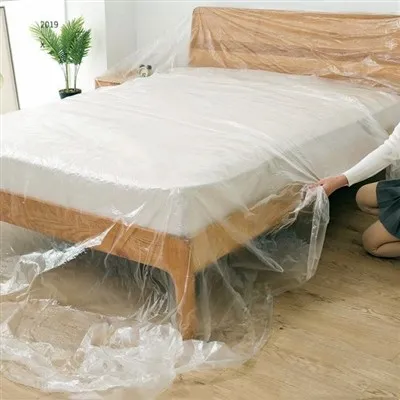
Another benefit of using masking film is that it provides excellent protection for your surfaces. The film acts as a shield, preventing paint from splattering or dripping onto furniture, floors, or other objects in the room. This can save you from having to clean up paint spills and can also prevent damage to your belongings. Additionally, masking film can be removed easily without leaving any adhesive residue, so you don't have to worry about damaging the surface underneath.
4. Versatility
Masking film is a versatile product that can be used in a variety of painting applications. Whether you're painting a single wall, an entire room, or even a commercial space, masking film can help you achieve the results you want. It can be used on different types of surfaces, including wood, metal, plastic, and glass, making it a great choice for both indoor and outdoor painting projects.
How to Use Masking Film for Wall Painting
Using masking film for wall painting is relatively easy. Here's a step-by-step guide on how to do it:
- Prepare the Surface: Before applying the masking film, make sure the surface is clean and dry. Remove any dust, dirt, or debris from the area where you'll be applying the film.
- Measure and Cut the Film: Measure the area you want to cover and cut the masking film to the appropriate size. Make sure to leave a little extra film around the edges to ensure a proper seal.
- Apply the Film: Carefully apply the masking film to the surface, starting from one corner and working your way across. Use a squeegee or a credit card to smooth out any air bubbles and ensure a tight seal.
- Paint the Wall: Once the masking film is in place, you can start painting the wall. Use a high-quality paintbrush or roller to apply the paint evenly, making sure to stay within the boundaries of the masking film.
- Remove the Film: After the paint has dried, carefully peel off the masking film at a 45-degree angle. Make sure to remove the film while the paint is still slightly tacky to prevent it from peeling off any of the paint.
Types of Masking Film for Wall Painting
There are several types of masking film available on the market, each with its own unique features and benefits. Here are some of the most common types of masking film for wall painting:
- Standard Masking Film: This is the most basic type of masking film and is suitable for most wall painting applications. It's typically made from a thin plastic material with a moderate adhesive strength, which allows it to stick to surfaces without leaving any residue behind.
- High-Tack Masking Film: This type of masking film has a stronger adhesive strength than standard masking film, making it ideal for use on rough or textured surfaces. It can also be used for longer periods of time without losing its adhesion.
- Low-Tack Masking Film: Low-tack masking film has a weaker adhesive strength than standard masking film, which makes it suitable for use on delicate or easily damaged surfaces. It's also a good choice for short-term painting projects.
- Painter's Tape with Film: Some masking films come with a built-in painter's tape, which makes it easier to apply and remove the film. This type of masking film is a great choice for beginners or for those who want a more convenient painting experience.
Other Uses for Masking Film
In addition to wall painting, masking film can be used in a variety of other applications. Here are some examples:
- Automotive Painting: Masking film is commonly used in the automotive industry to protect parts of a vehicle that you don't want to get painted. For example, you can use masking film to protect the windows, headlights, or body panels of a car while you're painting the exterior. Check out our Car Anti-scratch Protective Film and Car Transparent Film for more options.
- Home Renovation: Masking film can be used during home renovation projects to protect floors, furniture, and other surfaces from paint, dust, and debris. It can also be used to cover windows and doors to prevent them from getting damaged during construction.
- Industrial Painting: In industrial settings, masking film is used to protect equipment, machinery, and other surfaces during painting and coating processes. It can help to ensure a high-quality finish and prevent damage to the equipment.
Conclusion
So, to answer the question, yes, masking film can definitely be used for wall painting. It's a versatile, time-saving, and cost-effective tool that can help you achieve professional-looking results. Whether you're a DIY enthusiast or a professional painter, masking film is a must-have product for any painting project.
If you're interested in purchasing masking film for your next painting project, we're here to help. We're a leading supplier of masking film, and we offer a wide range of products to meet your needs. Check out our China Factory Supply Masking Film For Painting for more information.
If you have any questions or would like to discuss your specific requirements, feel free to reach out to us. We'd be happy to assist you with your purchase and provide you with the best masking film solutions for your project.
References
- "Masking Tape and Film: A Guide to Choosing the Right Product." DIY Painting Tips.
- "How to Use Masking Film for a Professional Paint Job." Home Improvement Magazine.