Hey there! As a stretch film supplier, I often get asked a bunch of questions about our products. One question that pops up quite a bit is, "Can stretch film be used in cold temperatures?" Well, let's dig into this topic and find out.
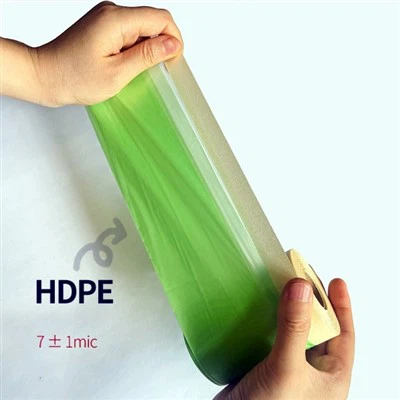
First off, let's understand what stretch film is. Stretch film is a super - useful plastic film that's used to wrap around items, usually for packaging and securing them during storage or transportation. It's got this amazing ability to stretch and then hold its shape, keeping things nice and tight.
Now, when it comes to cold temperatures, things can get a bit tricky. You see, most stretch films are made from polymers like polyethylene. These polymers have certain properties that change depending on the temperature. In cold conditions, the molecules in the polymer slow down. This can make the stretch film stiffer and less flexible than it is at normal room temperature.
Imagine you're trying to wrap a pallet of goods with stretch film on a cold winter day. If the film is too stiff, it won't stretch as easily as it should. You might find it difficult to get a good, tight wrap around the items. And if you can't get a tight wrap, there's a risk that the goods won't be properly secured. They could shift during transit, which might lead to damage.
But here's the good news. Not all stretch films are created equal. Some stretch films are specifically designed to perform well in cold temperatures. These cold - resistant stretch films have been formulated with additives or polymers that can withstand low temperatures without losing their stretchability and cling properties.
For example, Premium Stretch Film is one of our top - notch products that can handle colder conditions. It's been engineered to maintain its flexibility even when the mercury drops. This means you can still get a great, tight wrap around your products, no matter how cold it is outside.
Another option is Stretch Film Tapes. These tapes are also a good choice for cold environments. They're easy to apply and can provide a strong hold, even in low temperatures.
So, how do you know if a stretch film is suitable for cold temperatures? Well, there are a few things to look out for. First, check the product specifications provided by the supplier. A good supplier will clearly state whether the film is suitable for cold - weather use.
You can also do a simple test. Take a small piece of the stretch film and put it in a freezer for a little while. Then, take it out and try to stretch it. If it still stretches easily and doesn't break or become too brittle, it's likely a good option for cold temperatures.
But it's not just about the film itself. The way you store and handle the stretch film in cold conditions also matters. If you store the film in a cold warehouse, make sure it's properly protected from extreme cold. You might want to keep it in a climate - controlled area or at least in a spot where it's not directly exposed to the coldest parts of the warehouse.
When you're using the stretch film in cold temperatures, it's a good idea to warm up your hands a bit before handling it. Cold hands can make the film feel even stiffer than it actually is. And take your time when applying the film. Don't try to stretch it too quickly, as this can cause it to break.
In some industries, the ability to use stretch film in cold temperatures is crucial. For example, in the food industry, products often need to be stored and transported at low temperatures. Stretch film that can perform well in these conditions is essential to keep the food fresh and protected.
Similarly, in the construction industry, materials might need to be wrapped and stored outdoors during cold winter months. A reliable cold - resistant stretch film can ensure that these materials stay in good condition until they're ready to be used.
So, to sum it up, yes, stretch film can be used in cold temperatures, but you need to choose the right type. As a stretch film supplier, we've got a range of products that are designed to meet different needs, including those for cold - weather applications.
If you're in the market for stretch film that can handle cold temperatures, don't hesitate to reach out. We can help you find the perfect product for your specific requirements. Whether you're wrapping pallets, protecting equipment, or packaging food, we've got the solution. Contact us today to start the procurement process and let's work together to get you the best stretch film for your business.


References
- General knowledge about polymer behavior in cold temperatures from materials science textbooks.
- Product research and testing data from our in - house development team.