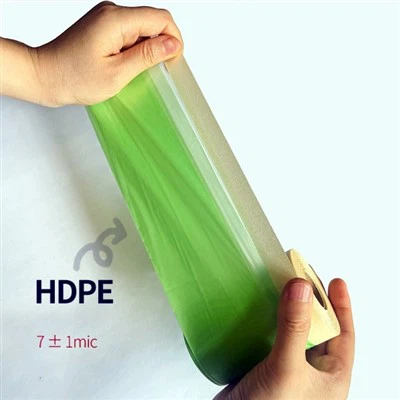
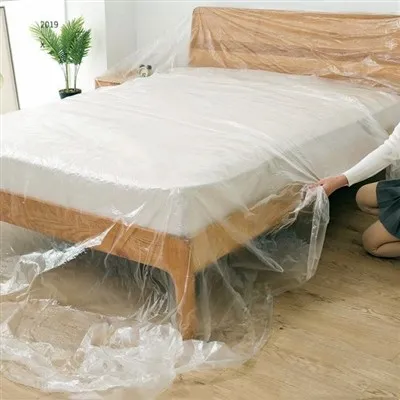
As a stretch film supplier, I often get asked about the various applications of stretch film. One question that has come up more frequently lately is whether stretch film can be used to wrap books. In this blog post, I'll explore the feasibility, benefits, and potential drawbacks of using stretch film for book wrapping, and provide some practical tips for those interested in trying it.
The Feasibility of Using Stretch Film for Book Wrapping
Stretch film is a versatile packaging material known for its elasticity and cling properties. It is commonly used in industrial settings to secure pallets, bundle products, and protect items during transit. But can it be effectively used for wrapping books? The answer is yes, stretch film can indeed be used to wrap books, and there are several reasons why it might be a good option.
Protection Against Dust and Moisture
One of the primary benefits of using stretch film to wrap books is its ability to provide a protective barrier against dust and moisture. When books are stored in environments where they are exposed to dust, dirt, or humidity, they can become damaged over time. Stretch film can help prevent this by creating a sealed environment around the book, keeping it clean and dry.
Secure Wrapping
Stretch film's elasticity allows it to conform tightly to the shape of the book, providing a secure and snug fit. This helps prevent the book from shifting or moving during storage or transportation, reducing the risk of damage. Additionally, the cling properties of stretch film help keep the film in place without the need for additional adhesives or fasteners.
Cost-Effective Solution
Compared to other packaging materials, such as shrink wrap or custom book covers, stretch film is a relatively cost-effective option. It is available in a variety of widths and thicknesses, allowing you to choose the most appropriate film for your needs. Additionally, stretch film is easy to use and requires minimal equipment, making it a practical choice for both small-scale and large-scale book wrapping projects.
Benefits of Using Stretch Film for Book Wrapping
Protection During Shipping
If you are shipping books, stretch film can provide an extra layer of protection against damage during transit. The film helps cushion the book and prevent it from being jostled or bumped around in the shipping box. This can reduce the risk of pages being bent, covers being scuffed, or the book being otherwise damaged during shipping.
Storage Organization
Stretch film can also be useful for organizing and storing books. By wrapping books individually or in groups, you can keep them organized on shelves or in storage containers. The clear film allows you to easily see the titles of the books, making it easier to find the book you need. Additionally, the film helps protect the books from dust and damage while they are in storage.
Customizable Wrapping
Stretch film can be easily cut to size, allowing you to customize the wrapping for each book. You can choose to wrap the entire book, including the cover and pages, or just the cover. This gives you the flexibility to wrap books in a way that best suits your needs and preferences.
Potential Drawbacks of Using Stretch Film for Book Wrapping
Difficulty in Removal
One potential drawback of using stretch film to wrap books is that it can be difficult to remove without damaging the book. The cling properties of the film can make it stick to the book cover or pages, and pulling the film off too forcefully can cause the cover to tear or the pages to become loose. To avoid this, it is important to remove the film slowly and carefully, using a gentle pulling motion.
Limited Aesthetic Appeal
While stretch film provides practical benefits for book wrapping, it may not be the most aesthetically pleasing option. The clear film can make the book look a bit plain or unappealing, especially if you are using it for decorative purposes. If aesthetics are important to you, you may want to consider using a different packaging material, such as shrink wrap or custom book covers.
Environmental Concerns
Stretch film is typically made from plastic, which can have a negative impact on the environment. If you are concerned about the environmental impact of your packaging choices, you may want to consider using a biodegradable or recyclable stretch film. Additionally, you can look for ways to reuse or recycle the stretch film after you have finished using it.
Practical Tips for Using Stretch Film to Wrap Books
Choose the Right Film
When choosing a stretch film for book wrapping, it is important to choose a film that is appropriate for the size and weight of the book. A thinner film may be suitable for smaller, lighter books, while a thicker film may be needed for larger, heavier books. Additionally, you may want to choose a film with a high level of clarity, so you can easily see the title of the book through the film.
Prepare the Book
Before wrapping the book, it is important to prepare it by removing any dust or debris from the cover and pages. You can use a soft cloth or a gentle cleaning solution to clean the book. Additionally, you may want to consider using a book cover or dust jacket to protect the book cover from damage during the wrapping process.


Wrap the Book
To wrap the book, start by placing the book on a flat surface. Cut a piece of stretch film that is slightly larger than the book. Place the film over the book, making sure it covers the entire book, including the cover and pages. Pull the film tightly around the book, using a gentle stretching motion. Make sure the film is smooth and free of wrinkles.
Secure the Film
Once you have wrapped the book, you can secure the film by using a piece of Stretch Film Tapes or by tucking the edges of the film under the book. This will help keep the film in place and prevent it from coming loose.
Store the Wrapped Book
After you have wrapped the book, you can store it on a shelf or in a storage container. Make sure the book is stored in a cool, dry place, away from direct sunlight and moisture. This will help protect the book from damage and ensure it stays in good condition.
Conclusion
In conclusion, stretch film can be a practical and cost-effective option for wrapping books. It provides protection against dust and moisture, secures the book during storage and transportation, and is easy to use. However, it is important to be aware of the potential drawbacks, such as difficulty in removal and limited aesthetic appeal. By following the practical tips outlined in this blog post, you can use stretch film to wrap books effectively and safely.
If you are interested in purchasing Premium Stretch Film for book wrapping or other applications, please contact us to discuss your specific needs. We are a leading supplier of stretch film and can provide you with high-quality products and excellent customer service.
References
- Packaging World. (2023). Stretch Film Basics. Retrieved from [Website URL]
- The Spruce Crafts. (2023). How to Wrap a Book. Retrieved from [Website URL]
- Environmental Protection Agency. (2023). Plastic Pollution. Retrieved from [Website URL]