As a seasoned supplier of Table Protection Film, I've often been asked whether our product can effectively protect against stains. This is a crucial question for both homeowners and businesses looking to maintain the pristine condition of their tables. In this blog, I'll delve into the science behind table protection film and its ability to ward off stains.
Understanding Table Protection Film
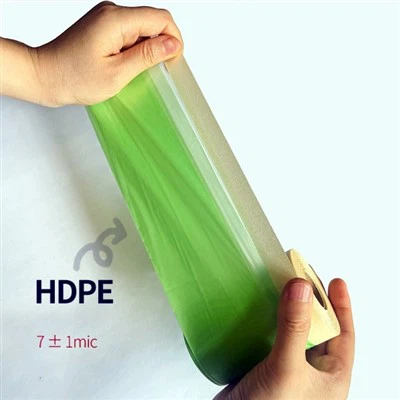
Table protection film is a thin, transparent layer that can be applied to the surface of a table. It acts as a shield, preventing direct contact between the table and potential staining agents. Our company offers a variety of table protection films, including PE Plastic Furniture Protective Film, Adhesive Plastic Painting Drop Masking Film For Furniture Covering, and Kitchen Cabinet Protection Film. Each type is designed to meet specific needs and provide optimal protection.
How Table Protection Film Works Against Stains
The primary way table protection film protects against stains is by creating a physical barrier. When a liquid or other staining substance comes into contact with the film, it sits on top rather than seeping into the table's surface. This makes it much easier to clean up spills before they have a chance to cause permanent damage.
Most table protection films are made from materials that are resistant to common staining agents. For example, our PE plastic films are highly resistant to water, oil, and many types of chemicals. This means that even if you spill coffee, wine, or cooking oil on the table, the film will prevent the liquid from penetrating and leaving a stain.
In addition to its physical barrier properties, some table protection films also have a smooth surface that repels liquids. This is known as hydrophobicity. When a liquid droplet lands on a hydrophobic surface, it forms a bead and rolls off rather than spreading out. This further reduces the risk of staining.


Factors Affecting the Stain - Protection Ability
While table protection film is generally effective at preventing stains, several factors can influence its performance.
Quality of the Film
The quality of the table protection film plays a significant role in its stain - protection ability. Higher - quality films are typically made from better materials and have a more uniform thickness. They are also more likely to have been treated with special coatings to enhance their resistance to stains. Our company takes great care in sourcing the best materials and using advanced manufacturing processes to ensure the highest quality of our films.
Application Method
Proper application of the table protection film is crucial. If the film is not applied smoothly and evenly, there may be air bubbles or wrinkles. These can create pockets where liquids can accumulate and potentially seep under the film, leading to staining. We provide detailed instructions on how to apply our films correctly to ensure optimal performance.
Type of Staining Agent
Some staining agents are more difficult to resist than others. For example, certain dyes, strong acids, or alkalis can be more challenging for the film to protect against. However, our films are designed to withstand a wide range of common staining agents, and in most cases, they provide excellent protection.
Testing the Stain - Protection of Table Protection Film
To demonstrate the effectiveness of our table protection film, we conduct various tests. In one test, we apply different types of staining liquids, such as red wine, coffee, and ketchup, to tables with and without our protection film. After a set period, we clean the surfaces and examine them for stains.
In the tests, the tables with our table protection film showed little to no staining. The liquids could be easily wiped off the film, leaving the table surface underneath clean. In contrast, the unprotected tables often had visible stains that were difficult to remove.
Real - World Applications
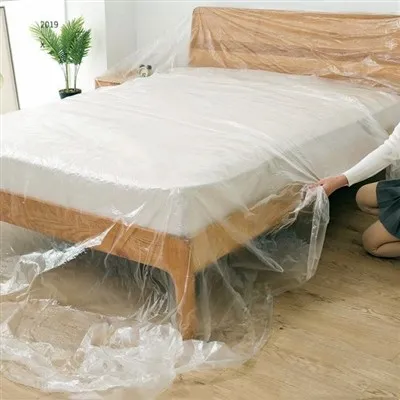
Table protection film has a wide range of real - world applications. In homes, it can be used on dining tables, coffee tables, and kitchen countertops. It provides an extra layer of protection, especially in households with children or pets. For example, a spilled glass of juice on a dining table covered with our film can be quickly cleaned up without leaving a mark.
In commercial settings, such as restaurants, cafes, and offices, table protection film is also highly beneficial. It helps to maintain the appearance of the tables, reducing the need for frequent replacement or refinishing. This can save businesses a significant amount of money in the long run.
Conclusion
In conclusion, table protection film can indeed protect against stains. By creating a physical barrier, being resistant to common staining agents, and often having hydrophobic properties, it provides an effective way to keep tables looking clean and new. However, the effectiveness of the film depends on factors such as its quality, application method, and the type of staining agent.
If you're interested in protecting your tables from stains, our company offers a range of high - quality table protection films. We are committed to providing the best products and services to meet your needs. Whether you're a homeowner looking to protect your dining table or a business owner in need of durable table protection for your establishment, we have the right solution for you.
If you'd like to learn more about our table protection film or are interested in placing an order, please feel free to contact us for a procurement discussion. We look forward to working with you to keep your tables stain - free.
References
- "Plastic Films: Technology and Packaging Applications" by George L. Robertson
- "Surface Coatings: Principles, Production, and Applications" by Dieter Stoye and Werner Freitag