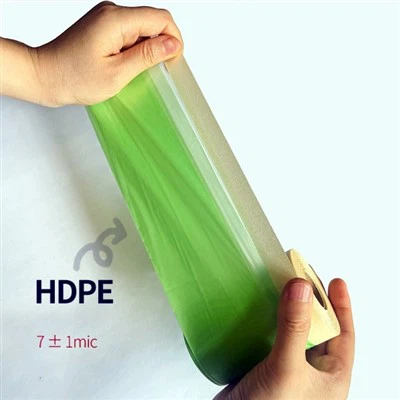
As a supplier of Stretch Film Tapes, I often get asked whether these tapes adhere well to plastic surfaces. This is a crucial question, especially for industries that rely on securing plastic products during storage, transportation, or manufacturing processes. In this blog, I'll delve into the factors that affect the adhesion of stretch film tapes to plastic surfaces, the types of plastic surfaces they work best on, and how our Stretch Film Tapes can provide a reliable solution.
Factors Affecting Adhesion
Surface Energy
The surface energy of a plastic material plays a significant role in determining how well a stretch film tape will adhere. Plastics with high surface energy, such as polycarbonate and acrylic, tend to have better adhesion compared to those with low surface energy, like polyethylene and polypropylene. High - surface - energy plastics have more polar molecules on their surface, which allows the adhesive on the tape to form stronger intermolecular bonds. For example, when using our stretch film tapes on polycarbonate sheets, the adhesive can easily interact with the surface molecules, resulting in a firm bond.
Surface Texture
The texture of the plastic surface also impacts adhesion. Smooth plastic surfaces generally provide better adhesion than rough or porous ones. On a smooth surface, the adhesive can spread evenly and make maximum contact with the plastic, creating a stronger bond. In contrast, a rough or porous surface may prevent the adhesive from fully contacting the plastic, leading to weaker adhesion. For instance, if you're trying to apply our stretch film tape on a plastic container with a highly textured exterior, you might notice that the tape doesn't adhere as well as it would on a smooth - surfaced container.
Temperature
Temperature can have a profound effect on the adhesion of stretch film tapes. At lower temperatures, the adhesive on the tape becomes more rigid, reducing its ability to flow and bond with the plastic surface. On the other hand, at high temperatures, the adhesive may become too soft and lose its cohesive strength, causing the tape to peel off. Our Premium Stretch Film is designed to have a wide temperature tolerance range, ensuring good adhesion in various environmental conditions.
Chemical Compatibility
The chemical composition of the plastic and the adhesive on the tape must be compatible for good adhesion. Some plastics may contain additives or chemicals that can react with the adhesive, causing it to break down or lose its bonding properties. For example, plastics treated with certain lubricants or anti - static agents may not adhere well to some types of stretch film tapes. Our stretch film tapes are formulated to be chemically compatible with a wide range of plastics, minimizing the risk of chemical reactions that could affect adhesion.
Types of Plastic Surfaces and Adhesion
Polyethylene (PE)
Polyethylene is a widely used plastic with low surface energy. It is commonly found in products such as plastic bags, bottles, and containers. Due to its low surface energy, achieving good adhesion with stretch film tapes can be challenging. However, our stretch film tapes are engineered with special adhesives that can form a strong bond with polyethylene surfaces. The adhesive is designed to penetrate the surface at a microscopic level, creating a mechanical interlock that enhances adhesion.
Polypropylene (PP)
Polypropylene is another low - surface - energy plastic. It is used in applications such as packaging, automotive parts, and furniture. Similar to polyethylene, polypropylene requires a tape with a specialized adhesive for good adhesion. Our stretch film tapes have been tested extensively on polypropylene surfaces and have shown excellent adhesion results. The adhesive can adapt to the non - polar nature of polypropylene, ensuring a reliable bond.
Polycarbonate (PC)
Polycarbonate is a high - surface - energy plastic known for its transparency, strength, and impact resistance. It is commonly used in products such as eyeglass lenses, electronic displays, and automotive headlamps. Stretch film tapes generally adhere well to polycarbonate surfaces because of the high surface energy. Our tapes can form a strong bond with polycarbonate, providing protection during handling and transportation.
Acrylic
Acrylic is also a high - surface - energy plastic. It is used in applications such as signage, aquariums, and furniture. The high surface energy of acrylic allows for good adhesion of stretch film tapes. Our tapes can be used to protect acrylic surfaces from scratches and dirt, ensuring the product remains in pristine condition.
Our Stretch Film Tapes: A Reliable Solution
As a supplier of stretch film tapes, we understand the importance of adhesion to plastic surfaces. Our Stretch Film Tapes are manufactured using high - quality materials and advanced adhesive technologies. We have conducted extensive research and development to optimize the adhesive formula for different types of plastic surfaces.


Our tapes are designed to provide a strong and long - lasting bond, even under challenging conditions. Whether you're shipping plastic products across the country or storing them in a warehouse, our stretch film tapes will keep your products secure. We offer a variety of tape widths, thicknesses, and strengths to meet the specific needs of different industries.
Conclusion
In conclusion, stretch film tapes can adhere well to plastic surfaces, but several factors need to be considered. Surface energy, texture, temperature, and chemical compatibility all play a role in determining the quality of adhesion. Our company, as a leading supplier of stretch film tapes, has developed products that address these factors and provide reliable adhesion to a wide range of plastic surfaces.
If you're in need of high - quality stretch film tapes for your plastic products, we invite you to contact us for a purchase consultation. Our team of experts is ready to assist you in selecting the right tape for your specific application. We are committed to providing the best products and services to meet your needs.
References
- "Adhesion Science and Engineering: Surfaces, Chemistry, and Applications" by K. L. Mittal
- "Plastics Materials" by John A. Brydson