As a seasoned supplier of masking film, I've encountered numerous queries from customers regarding the impact of masking film on paint finishes. This topic is crucial for anyone involved in painting projects, whether it's a large - scale industrial operation or a simple DIY home improvement task. In this blog, I'll delve into the scientific aspects of how masking film can influence paint finishes and provide insights based on years of industry experience.
Understanding Masking Film
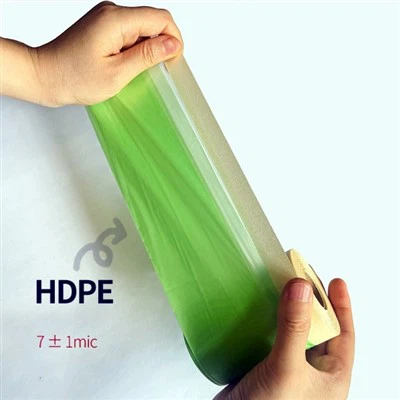
Masking film is a versatile product designed to protect surfaces during painting. It comes in various types, each tailored to different applications. For instance, Protective Masking Film Pre - Taped is pre - applied with tape, which makes it convenient for quick and easy installation. This type of film is often used in automotive painting, where precision masking is required to protect areas that should not be painted.
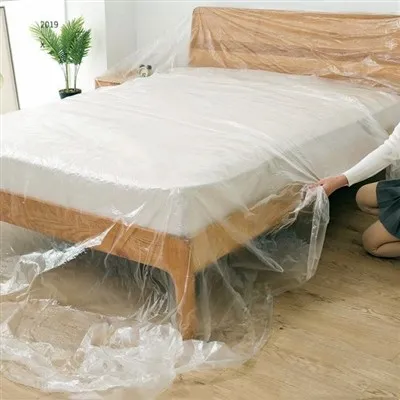
Furniture Decorative Masking Film is specifically engineered for furniture painting projects. It provides a smooth surface that adheres well to furniture surfaces, preventing paint from seeping under the film and ensuring a clean paint line.
Factory Masking Film Cutting Rolls are commonly used in industrial settings. These rolls can be cut to the desired length, allowing for flexibility in covering large areas.
Factors Affecting Paint Finish When Using Masking Film
Adhesive Quality
The adhesive on the masking film plays a significant role in determining the paint finish. A high - quality adhesive will stick firmly to the surface during painting but can be removed cleanly without leaving any residue. If the adhesive is too strong, it may pull off the paint when removed, especially if the paint has not fully cured. On the other hand, a weak adhesive may allow the film to lift during painting, causing paint to bleed under the film and result in an uneven paint line.
Film Material
The material of the masking film can also affect the paint finish. Some films are made of materials that are more breathable, which can prevent moisture from getting trapped between the film and the painted surface. Moisture trapped during the painting process can lead to issues such as blistering or peeling of the paint. Non - breathable films, if used in humid conditions, may cause these problems.
Installation Technique
Proper installation of the masking film is essential for a good paint finish. If the film is not applied smoothly, with wrinkles or air bubbles, it can cause irregularities in the paint application. Wrinkles can act as channels for paint to flow unevenly, and air bubbles can create areas where the paint does not adhere properly. Additionally, ensuring that the edges of the film are well - sealed is crucial to prevent paint from seeping under.
Positive Impacts of Using Masking Film on Paint Finish
Precise Painting
One of the main advantages of using masking film is that it allows for precise painting. By masking off areas that should not be painted, painters can achieve sharp, clean paint lines. This is especially important in projects where a high level of accuracy is required, such as in automotive or furniture painting. For example, in automotive painting, masking film is used to protect the windows, trim, and other non - painted areas, resulting in a professional - looking finish.
Protection of Surrounding Areas
Masking film protects the surrounding areas from overspray. Overspray can cause damage to adjacent surfaces, such as leaving a fine mist of paint on glass or polished metal. By using masking film, these areas can be shielded, ensuring that the paint job is contained to the intended area and the surrounding surfaces remain clean.
Negative Impacts of Using Masking Film on Paint Finish
Residue and Adhesive Transfer
As mentioned earlier, if the adhesive on the masking film is not of good quality, it can leave residue on the painted surface when removed. This residue can be difficult to clean and may affect the appearance of the paint finish. Adhesive transfer can also occur if the film is left on for too long or if the paint has not fully cured before removal.
Paint Bleeding
Poorly installed masking film or film with a weak adhesive can lead to paint bleeding. Paint bleeding occurs when paint seeps under the film, resulting in an uneven paint line. This can be a major issue, especially in projects where a clean and sharp paint line is desired.


Preventive Measures
Choose the Right Masking Film
Selecting the appropriate masking film for the specific painting project is crucial. Consider factors such as the type of surface to be masked, the type of paint being used, and the environmental conditions. For example, in high - humidity environments, a more breathable masking film may be preferred to prevent moisture - related issues.
Test the Film
Before applying the masking film to the entire surface, it's a good idea to test it on a small, inconspicuous area. This allows you to check for any issues such as adhesive residue or paint bleeding. If any problems are detected, you can adjust your approach or choose a different type of film.
Follow Proper Installation Procedures
Ensure that the masking film is applied smoothly and evenly, without wrinkles or air bubbles. Use a squeegee or a similar tool to remove any air bubbles and to ensure a tight seal at the edges. Also, make sure to remove the film at the appropriate time, usually after the paint has fully cured.
Conclusion
In conclusion, masking film can have both positive and negative impacts on the paint finish. When used correctly, it can significantly enhance the quality of a paint job by allowing for precise painting and protecting surrounding areas. However, if not used properly, it can lead to issues such as residue, adhesive transfer, and paint bleeding.
As a masking film supplier, I'm committed to providing high - quality products and sharing my knowledge to help customers achieve the best paint finishes. If you're planning a painting project and need advice on choosing the right masking film or have any other questions, I encourage you to reach out for a consultation. Our team of experts is here to assist you in making the right choices for your project.
References
- "Painting Techniques and Finishes" by John Smith
- "Masking Films: A Technical Guide" by ABC Publishing