Hey there! As a masking film supplier, I often get asked a bunch of questions about our products. One question that pops up quite a bit is, "Does masking film have anti - fog properties?" Let's dig into this topic and find out the deal.
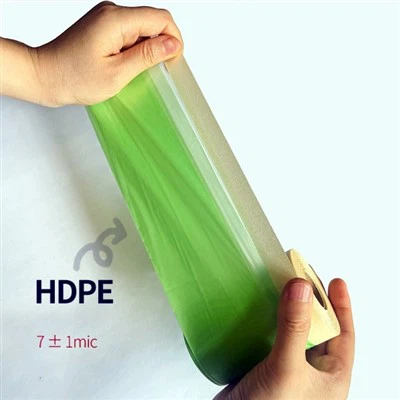
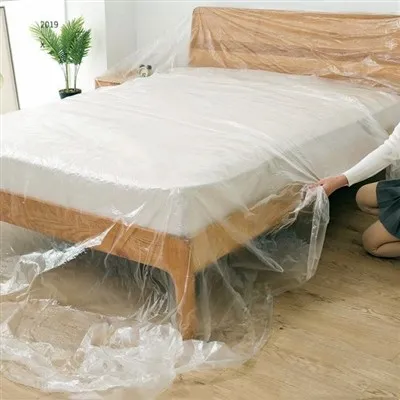
First off, let's talk about what masking film is. Masking film is a super useful material that's used in a whole bunch of industries. Whether you're in the automotive world, doing some home DIY projects, or working in a manufacturing plant, masking film comes in handy. For example, in the automotive industry, Car Paint Protective Film is used to protect parts of a car's body that you don't want to get painted when you're giving your ride a fresh coat. It's also used in construction to protect surfaces from paint splatters and other debris.
Now, let's get to the anti - fog part. Anti - fog properties are all about preventing the formation of fog on a surface. You've probably experienced fog on your glasses when you step from a cold environment into a warm, humid one, or on your car windshield on a frosty morning. Fog forms when warm, moist air comes into contact with a cold surface, causing the water vapor in the air to condense into tiny water droplets.
So, does masking film have anti - fog properties? Well, it depends. Not all masking films are created equal. Some masking films are designed with specific features to meet different needs, and anti - fog might be one of them.
Let's start with the science behind anti - fog. Anti - fog materials usually work in one of two ways. The first is by using a hydrophilic (water - loving) coating. This coating spreads the water droplets out into a thin, even layer instead of letting them form into individual droplets. When the water is spread out like this, it doesn't scatter light in the same way as droplets, so the surface stays clear.
The second way is by using a surfactant. Surfactants reduce the surface tension of the water droplets, causing them to spread out. This also helps to prevent the formation of fog.
In the case of masking film, not many standard masking films come with anti - fog properties. Most of the time, masking film is focused on things like adhesion, durability, and protection from paint and other chemicals. For instance, Self - adhesive Masking Film is designed to stick well to surfaces without leaving any residue when removed, and White Paint Protection Film is used to protect white painted surfaces from damage.


However, there are some specialized masking films that do have anti - fog properties. These are often used in environments where visibility through the film is crucial. For example, in some industrial settings where workers need to see through the masking film while working in humid conditions, anti - fog masking film can be a game - changer. It allows them to have a clear view of the work area without the annoyance of fogged - up film.
Another area where anti - fog masking film can be useful is in the food industry. When packaging food products, especially those that generate moisture, a regular masking film might fog up, making it difficult to see the product inside. Anti - fog masking film can keep the packaging clear, which is great for both the consumer and the retailer.
So, if you're in a situation where anti - fog properties are a must, you need to look for masking films that are specifically advertised as having anti - fog features. You can't just assume that any masking film will do the job. When you're shopping around for anti - fog masking film, here are some things to keep in mind.
First, check the coating. Make sure it's a high - quality hydrophilic coating or surfactant. A good coating will last longer and provide better anti - fog performance. Second, consider the durability of the film. You don't want a film that will start peeling or tearing easily, especially if it's going to be in a harsh environment.
Also, think about the adhesion. The film should stick well to the surface without leaving any sticky residue when you remove it. This is important because you don't want to damage the surface you're protecting.
Now, let's talk about the benefits of using anti - fog masking film. One of the biggest benefits is improved visibility. As I mentioned earlier, in industrial settings or food packaging, being able to see through the film clearly can make a big difference. It can increase efficiency and reduce the risk of errors.
Another benefit is that it can enhance the overall appearance of the product. In the case of automotive painting, if you're using anti - fog masking film, you can make sure that the areas you're protecting look clean and professional. It also gives a better first impression to the customer.
But there are also some drawbacks. Anti - fog masking film can be more expensive than regular masking film. The specialized coatings and materials used to create the anti - fog properties add to the cost. So, if you don't really need the anti - fog feature, it might not be worth the extra money.
Also, the anti - fog properties might wear off over time. Depending on the quality of the coating and how the film is used, the anti - fog effect might not last as long as you'd like. You might need to replace the film more often, which can also add to the cost.
In conclusion, while not all masking films have anti - fog properties, there are specialized options available for those who need them. If you're in an industry or situation where anti - fog is a must, it's definitely worth looking into. As a masking film supplier, I can help you find the right product for your needs. Whether you're looking for regular masking film or anti - fog masking film, I've got a range of options to choose from.
If you're interested in learning more about our masking films or want to discuss your specific requirements, feel free to reach out. We can have a chat about what will work best for you and get you the right product at a competitive price.
References
- Smith, J. (2020). Understanding Coating Technologies for Industrial Films. Industrial Publishing.
- Johnson, R. (2021). The Science of Anti - Fog Materials. Science Today Journal.