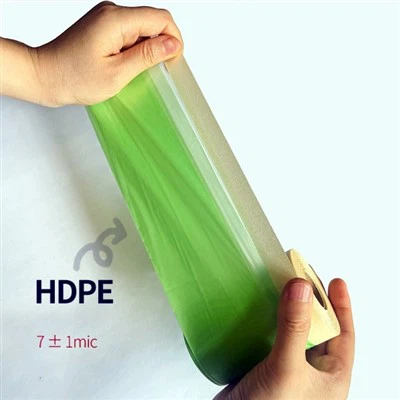
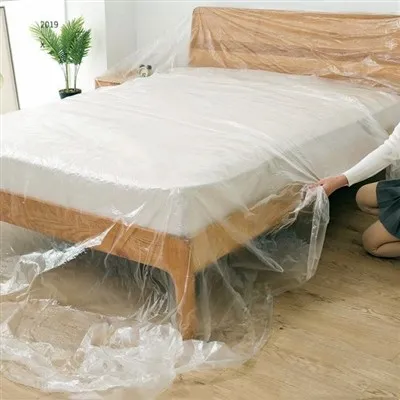
Hey there! As a supplier of table protection film, I often get asked this question: Does table protection film leave residue when removed? It's a valid concern, especially when you're looking to keep your tables in top - notch condition. Let's dive deep into this topic and find out what's really going on.
What Causes Residue?
First off, we need to understand what might cause table protection film to leave residue behind. There are a few factors at play here.

One major factor is the quality of the adhesive used in the film. Low - quality adhesives tend to be stickier and more likely to leave residue. These adhesives might not be formulated to properly release from the table surface when the film is removed. They can break down over time, especially when exposed to heat, moisture, or sunlight. For example, if you place a table with a protection film in a sunny spot, the heat can cause the adhesive to become more viscous and stick to the table.
Another factor is the length of time the film has been on the table. The longer the film is left in place, the more likely it is to leave residue. Over time, the adhesive can bond more strongly with the table surface. This is similar to how a piece of tape left on a wall for months will be harder to remove cleanly compared to one that was just applied.
The type of table surface also matters. Porous surfaces like wood or some types of stone can absorb the adhesive from the film, making it difficult to remove without leaving residue. On the other hand, smooth, non - porous surfaces like glass or metal are generally easier to clean after film removal.
Our Table Protection Film
At our company, we take pride in the quality of our table protection film. We've put a lot of research and development into creating a product that doesn't leave residue.
We use high - quality adhesives that are specifically designed for easy release. These adhesives are formulated to provide strong adhesion when the film is applied but can be cleanly removed without leaving a mess. Our testing shows that even after extended periods of use, our film comes off smoothly.
For example, we've had customers who've used our film on their dining tables for months during home renovation projects. When they finally removed the film, they were pleasantly surprised to find that there was no sticky residue left behind. The tables looked as good as new!

Different Types of Table Protection Film
There are various types of table protection films available in the market, and each has its own characteristics when it comes to residue.
Protective Painting Films
Protective Painting Films are often used during painting projects to protect tables from paint splatters. These films are designed to be durable and provide good coverage. Our protective painting films are made with a special adhesive that allows for easy removal after the painting is done. You won't have to worry about spending hours scraping off residue. They adhere well to the table surface during the painting process but come off cleanly when you're ready to remove them.
Adhesive Plastic Painting Drop Masking Film For Furniture Covering
Adhesive Plastic Painting Drop Masking Film For Furniture Covering is another great option. This film is not only useful for painting but also for general protection of furniture. It has a strong adhesive that keeps it in place, but again, we've made sure that it doesn't leave residue. Whether you're covering your table to prevent scratches during a move or to protect it from spills, this film is a reliable choice.
PE Plastic Furniture Protective Film
PE Plastic Furniture Protective Film is known for its flexibility and transparency. It's a popular choice for protecting tables in showrooms or new furniture during transportation. Our PE plastic furniture protective film is engineered to provide a clear view of the table while keeping it safe. The adhesive on this film is carefully selected to ensure easy removal without leaving any marks or residue.
Tips to Prevent Residue
Even with high - quality table protection film, there are some things you can do to further reduce the risk of residue.
First, make sure the table surface is clean before applying the film. Any dirt, dust, or grease on the surface can interfere with the adhesion of the film and increase the chances of residue. Use a mild cleaner and a soft cloth to wipe the table down thoroughly.
When removing the film, do it slowly and at a low angle. Pulling the film off too quickly or at a sharp angle can cause the adhesive to break apart and leave residue. If you encounter any resistance, stop and try to gently loosen the film from the edges.

Also, avoid exposing the film to extreme conditions. As I mentioned earlier, heat, moisture, and sunlight can affect the adhesive. If possible, keep the table in a cool, dry place while the film is on.
Customer Experiences
We've received a lot of positive feedback from our customers regarding the residue - free removal of our table protection film.

One customer, Sarah, had just bought a new glass dining table and was worried about scratches during a home party. She used our PE plastic furniture protective film to cover the table. After the party, when she removed the film, she was amazed that there was no sticky mess. The table was as clear as it was before.
Another customer, John, was doing a painting project in his living room. He used our protective painting film on his wooden coffee table. When the painting was finished and he removed the film, he found that the table was clean and didn't need any extra cleaning to get rid of residue.
Conclusion
So, to answer the question, our table protection film is designed not to leave residue when removed. We've taken all the necessary steps in terms of adhesive quality, film design, and testing to ensure a clean removal. Whether you're using our Protective Painting Films, Adhesive Plastic Painting Drop Masking Film For Furniture Covering, or PE Plastic Furniture Protective Film, you can have peace of mind knowing that your tables will stay in great condition.
If you're in the market for high - quality table protection film that doesn't leave residue, we'd love to hear from you. Reach out to us to discuss your specific needs and start a procurement conversation. We're here to help you find the perfect solution for protecting your tables.
References
- "The Science of Adhesives in Protective Films", Journal of Material Science
- "Factors Affecting Residue Formation in Protective Film Removal", Industrial Chemistry Review