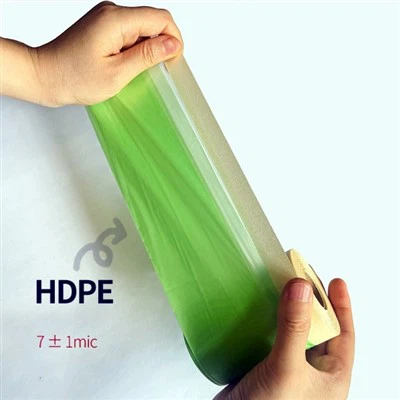
As a supplier of Protective Painting Films, I've witnessed firsthand the remarkable capabilities of these films in safeguarding surfaces from the onslaught of road debris. In this blog, I'll delve into the science behind how protective painting films offer this crucial protection, exploring the various mechanisms and features that make them an indispensable asset for vehicles and other painted surfaces.
Understanding Road Debris
Road debris encompasses a wide range of materials that can pose a threat to painted surfaces. This includes small rocks, gravel, sand, dirt, and even insects. When a vehicle is in motion, these debris particles can be propelled at high speeds, striking the paintwork with significant force. The impact can cause scratches, chips, and other forms of damage, not only compromising the aesthetic appeal of the vehicle but also potentially exposing the underlying metal to corrosion.
How Protective Painting Films Work
Protective painting films are typically made from a high - performance thermoplastic urethane (TPU) material. This material has several key properties that contribute to its ability to protect against road debris.


Impact Absorption
One of the primary ways protective painting films protect is through impact absorption. When a debris particle strikes the film, the TPU material deforms upon impact. This deformation spreads the force of the impact over a larger area, rather than concentrating it at a single point. As a result, the energy of the impact is dissipated, reducing the likelihood of the debris penetrating the film and reaching the paint surface below.
For example, imagine a small rock hitting a vehicle at high speed. Without a protective film, the rock would directly strike the paint, causing a chip or scratch. However, when a protective painting film is in place, the film absorbs the impact, and the rock may only cause a small indentation in the film itself, which can often self - heal over time due to the TPU's self - healing properties.
Self - Healing Properties
Many high - quality protective painting films have self - healing capabilities. The TPU material has a molecular structure that allows it to return to its original shape after being deformed. When a scratch or indentation occurs on the film's surface, the heat generated from normal driving conditions, such as sunlight or the friction of air, activates the self - healing process. The molecules in the TPU realign, and the scratch gradually disappears.
This self - healing feature is particularly beneficial in protecting against minor scratches caused by road debris. Even if a small scratch does occur, it won't be a permanent blemish on the vehicle's appearance. Over time, the film will restore its smooth and clear surface, maintaining the protection and aesthetic appeal of the painted surface.
Abrasion Resistance
In addition to impact absorption and self - healing, protective painting films also offer excellent abrasion resistance. Road debris can cause abrasion as it rubs against the painted surface. The TPU material in the protective film is highly resistant to abrasion, preventing the debris from wearing away the paint.
The film acts as a sacrificial layer, taking the brunt of the abrasion instead of the paint. This means that the paint remains intact and protected, even after prolonged exposure to abrasive road conditions. Whether it's sand being kicked up by tires or the constant rubbing of dirt particles, the protective film can withstand the wear and tear, ensuring long - term protection for the painted surface.
Installation and Coverage
Proper installation of protective painting films is crucial for maximizing their effectiveness. Professional installers ensure that the film is applied smoothly and without air bubbles, creating a seamless barrier between the paint and the road debris. The film is custom - cut to fit the specific contours of the vehicle, providing full coverage to vulnerable areas such as the front bumper, hood, fenders, and side mirrors.
Full - body installations are also available for those who want comprehensive protection. By covering the entire vehicle, the protective film shields all painted surfaces from road debris, not just the areas most likely to be hit. This is especially useful for vehicles that are frequently driven on rough or unpaved roads, where the risk of debris damage is higher.
Other Applications of Protective Films
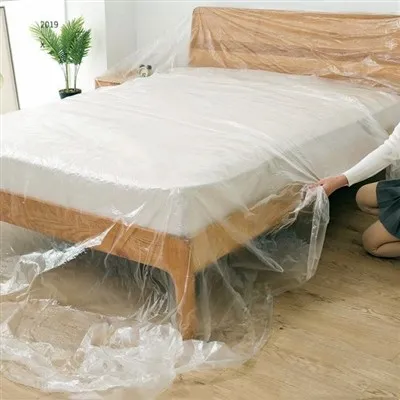
While protective painting films are commonly used on vehicles, their applications extend beyond the automotive industry. They can also be used to protect other painted surfaces, such as furniture. For instance, Table Protection Film can safeguard the surface of tables from scratches and stains. Similarly, Transparent Furniture Protective Film can be applied to various furniture pieces to maintain their appearance and protect them from everyday wear and tear. PE Plastic Furniture Protective Film is another option, offering a cost - effective solution for protecting furniture.
Conclusion
Protective painting films are a reliable and effective solution for protecting painted surfaces from road debris. Through their impact absorption, self - healing properties, and abrasion resistance, these films provide a strong barrier that keeps paintwork looking new and protected. Whether it's for vehicles or furniture, the benefits of using protective painting films are clear.
If you're interested in purchasing high - quality protective painting films for your vehicles or other painted surfaces, I encourage you to reach out for a consultation. Our team of experts can help you choose the right film for your specific needs and ensure a professional installation. Protect your investment and keep your surfaces looking their best with our top - notch protective painting films.
References
- "The Science of Thermoplastic Urethane (TPU) in Protective Films" - Journal of Materials Science
- "Impact Resistance of Protective Coatings" - International Journal of Automotive Engineering
- "Self - Healing Polymers: Principles and Applications" - Polymer Science Reviews