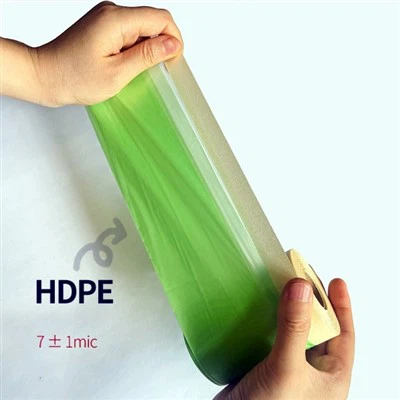
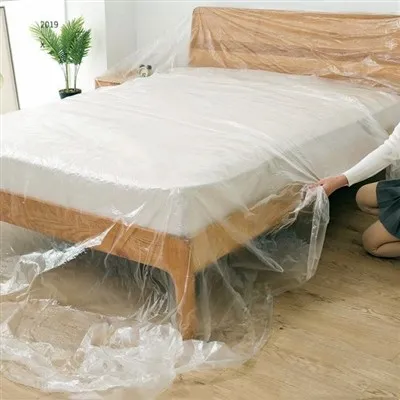
Hey there! As a furniture protective film supplier, I've seen my fair share of folks struggling with removing that pesky protective film without damaging their precious furniture. It can be a real headache, right? But don't worry, I'm here to share some tips and tricks that'll make the process a breeze.
First off, let's talk about why you'd even want to remove the furniture protective film. Well, over time, the film can start to yellow, lose its adhesiveness, or even leave behind a sticky residue. Plus, it just doesn't look as good once the furniture is all set up and ready to be used. So, it's definitely worth taking the time to remove it properly.
Tools You'll Need
Before you start peeling away at that film, it's important to gather the right tools. Here's what you'll need:
- A plastic putty knife or a credit card: These are great for gently prying up the edges of the film without scratching the furniture.
- A hair dryer: Heat can help soften the adhesive, making it easier to remove the film.
- Rubbing alcohol or a mild cleaning solution: This will help remove any sticky residue left behind by the film.
- A clean, soft cloth: You'll use this to wipe down the furniture after removing the film and cleaning off the residue.
Step-by-Step Guide
Now that you have your tools ready, let's get started with the removal process.
Step 1: Find a Starting Point
Look for a corner or edge of the protective film where you can start peeling. If the film has a tab or a small section that's already lifted, that's even better. Use your plastic putty knife or credit card to gently lift the edge of the film. Be careful not to apply too much pressure, as you don't want to scratch the furniture.
Step 2: Heat the Film
Once you've lifted the edge of the film, use your hair dryer to heat the area around the edge. Hold the hair dryer about 6 - 8 inches away from the film and move it back and forth to evenly distribute the heat. The heat will soften the adhesive, making it easier to peel the film off. You'll know the adhesive is softening when the film starts to lift more easily.
Step 3: Peel the Film Slowly
With the adhesive softened, start peeling the film slowly and steadily. Try to keep the film as close to the surface of the furniture as possible to avoid stretching or tearing it. If you encounter any resistance, stop and apply more heat to the area. It's better to take your time and do it right than to rush and damage the furniture.
Step 4: Remove Sticky Residue
After you've removed the film, you may notice some sticky residue left behind on the furniture. Don't worry, this is normal. Dip your clean, soft cloth in rubbing alcohol or a mild cleaning solution and gently rub the residue until it comes off. Be sure to test the cleaning solution on a small, inconspicuous area of the furniture first to make sure it doesn't cause any damage.
Step 5: Clean and Polish the Furniture
Once you've removed all the sticky residue, use a clean, damp cloth to wipe down the furniture and remove any remaining traces of the cleaning solution. Then, dry the furniture with a dry cloth and give it a quick polish to make it look brand new.
Tips for Different Types of Furniture
Not all furniture is created equal, and the removal process may vary depending on the type of furniture you're working with. Here are some tips for removing protective film from different types of furniture:


Wood Furniture
Wood furniture is beautiful but can be easily scratched. When removing the protective film from wood furniture, be extra careful not to use anything too sharp or abrasive. Stick to using a plastic putty knife or a credit card to lift the edge of the film, and use a mild cleaning solution to remove any sticky residue. Avoid using too much water, as this can damage the wood.
Glass Furniture
Glass furniture can be tricky to work with, as the film may be more difficult to see and lift. Use a hair dryer to heat the film and make it easier to peel off. Be sure to hold the hair dryer at a safe distance to avoid cracking the glass. After removing the film, use a glass cleaner to clean the surface of the glass and remove any sticky residue.
Metal Furniture
Metal furniture is generally more durable than wood or glass furniture, but it can still be scratched. Use a plastic putty knife or a credit card to lift the edge of the film, and a mild cleaning solution to remove any sticky residue. If the metal furniture has a painted finish, be careful not to damage the paint while removing the film.
Our Furniture Protective Films
At our company, we offer a wide range of high-quality furniture protective films that are designed to protect your furniture during shipping, storage, and installation. Our films are easy to apply and remove, and they won't leave behind any sticky residue or damage your furniture.
- Protective Film For Exterior Wall High Adhesive: This film is perfect for protecting exterior walls and other large surfaces. It has a high adhesive strength that ensures it stays in place, even in harsh weather conditions.
- Kitchen Cabinet Protection Film: Our kitchen cabinet protection film is designed to protect your cabinets from scratches, stains, and other damage. It's easy to apply and remove, and it won't leave behind any residue.
- PE Plastic Furniture Protective Film: This film is made from high-quality PE plastic and is suitable for protecting a variety of furniture surfaces. It's clear, flexible, and easy to handle, making it a popular choice among our customers.
Conclusion
Removing furniture protective film without damaging the furniture doesn't have to be a difficult task. By following the steps outlined in this blog post and using the right tools and techniques, you can safely and easily remove the film and keep your furniture looking great. And if you're in the market for high-quality furniture protective films, be sure to check out our products. We're here to help you protect your furniture and make your life easier.
If you have any questions or would like to discuss your furniture protective film needs, feel free to reach out. We're always happy to help and look forward to the opportunity to work with you.
References
- "How to Remove Adhesive Residue from Furniture." Real Simple.
- "Tips for Removing Protective Film from Furniture." The Spruce.