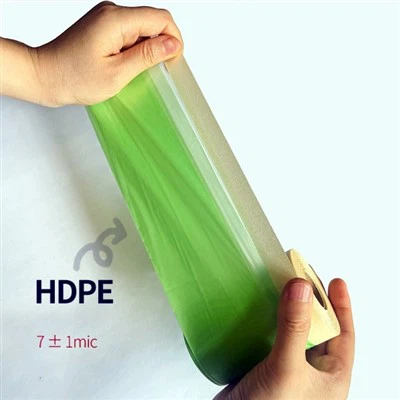
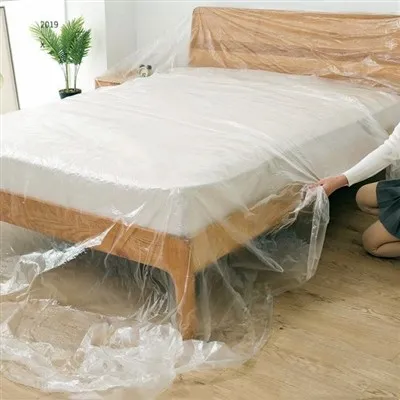
Hey there! As a masking film supplier, I've heard countless stories from customers about the headache of removing masking film that's been on for ages. It can be a real pain in the neck, but don't worry – I've got some tried-and-true tips to make this process a whole lot easier.
First off, let's talk about why removing old masking film can be such a challenge. Over time, the adhesive on the film can dry out, harden, and bond tightly to the surface it's covering. This makes it stickier and more difficult to peel off without leaving behind residue or even damaging the underlying material. Whether you're dealing with a car, a painted wall, or some industrial equipment, the principles are pretty much the same.
Preparation is Key
Before you start peeling, it's important to gather the right tools. You'll need a few basic items: a plastic scraper (metal ones can scratch the surface), a heat gun or hair dryer, some rubbing alcohol or adhesive remover, and plenty of clean rags. It's also a good idea to wear gloves to protect your hands from any chemicals or sharp edges.
Once you've got your tools ready, take a good look at the area where the masking film is applied. Check for any signs of damage or weak spots in the film. If the film is torn or starting to come loose in some areas, you can try gently peeling it off by hand to see if it comes away easily. But if it's still firmly attached, it's time to bring out the big guns.
Using Heat to Loosen the Adhesive
One of the most effective ways to remove old masking film is to use heat to soften the adhesive. Grab your heat gun or hair dryer and set it to a medium-high heat setting. Hold the heat source about 6-8 inches away from the film and move it back and forth evenly across the surface. You'll start to notice the film becoming more pliable as the adhesive warms up.
As you heat the film, use your plastic scraper to gently lift one corner of the film. If it starts to come off easily, keep peeling it back slowly, using the heat gun to keep the adhesive soft. If you encounter any resistance, stop and apply more heat to that area before trying again. Be careful not to overheat the film or the surface underneath, as this can cause damage.
Dealing with Residue
Even after you've removed the masking film, you may still be left with some sticky residue on the surface. This is where your rubbing alcohol or adhesive remover comes in handy. Pour a small amount of the alcohol or remover onto a clean rag and gently rub it over the residue. The alcohol will dissolve the adhesive, making it easier to wipe away.
If the residue is particularly stubborn, you may need to let the alcohol sit on the surface for a few minutes before wiping it off. You can also use a plastic scraper to gently scrape away any remaining residue. Just be careful not to scratch the surface.
Special Considerations for Different Surfaces
The method you use to remove masking film may vary depending on the surface it's applied to. Here are some tips for different types of surfaces:
-
Cars: If you're removing masking film from a car, be extra careful not to damage the paint. Use a low heat setting on your heat gun or hair dryer, and test a small, inconspicuous area first to make sure the heat doesn't cause any discoloration or peeling. You can also use a car-specific adhesive remover to clean up any residue. Check out our Car Paint Protective Film for high-quality options designed to protect your car's paint.


-
Painted Walls: When removing masking film from painted walls, use a gentle touch to avoid chipping or peeling the paint. If you're using a heat gun, keep it moving constantly to prevent overheating the paint. You can also use a mild soap and water solution to clean up any residue.
-
Industrial Equipment: For industrial equipment, you may need to use a stronger adhesive remover to remove stubborn residue. Make sure to follow the manufacturer's instructions carefully and wear appropriate protective gear. Our Factory Distributor Masking Films With Tapes are designed to withstand the rigors of industrial applications.
Preventing Future Problems
Of course, the best way to deal with old masking film is to prevent it from becoming a problem in the first place. Make sure to remove the masking film as soon as possible after the job is done. If you need to leave the film on for an extended period, check it regularly for signs of damage or peeling.
When applying masking film, make sure the surface is clean and dry. This will help the film adhere properly and make it easier to remove later. You can also choose a high-quality masking film that's designed to be easy to remove, even after long-term use. Our China Factory Supply Masking Film For Painting is a great option for a variety of painting projects.
Conclusion
Removing old masking film doesn't have to be a nightmare. With the right tools, techniques, and a little patience, you can get the job done quickly and easily. Remember to take your time, use the appropriate methods for the surface you're working on, and always test a small area first.
If you're in the market for high-quality masking film, look no further. As a leading masking film supplier, we offer a wide range of products to meet your needs. Whether you're a professional painter, a DIY enthusiast, or an industrial user, we've got the perfect masking film for you.
So, if you have any questions or need help choosing the right masking film for your project, don't hesitate to get in touch. We're here to help you find the best solution for your needs and make your next project a success.
References
- "How to Remove Masking Tape Residue." The Spruce, https://www.thespruce.com/how-to-remove-masking-tape-residue-1388690.
- "Removing Masking Tape from Painted Surfaces." Family Handyman, https://www.familyhandyman.com/article/removing-masking-tape-from-painted-surfaces/.