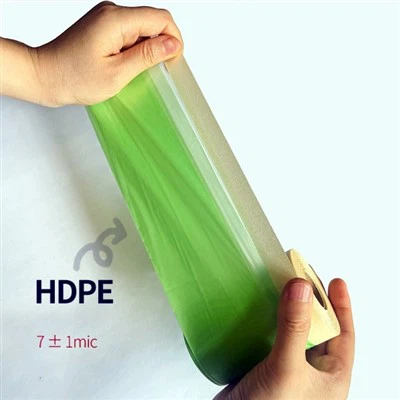
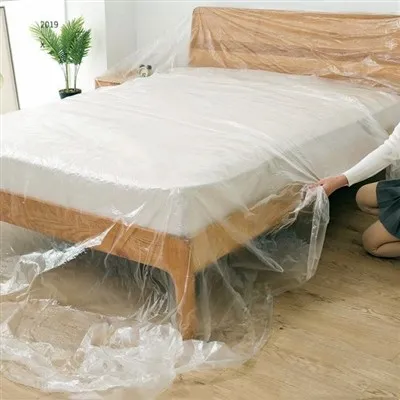
As a seasoned supplier of Table Protection Film, I've witnessed firsthand the wear and tear that these films can endure over time. Whether it's due to accidental scratches, spills, or general usage, a damaged table protection film can detract from the aesthetic appeal and functionality of your table. In this blog post, I'll share some practical tips on how to repair a damaged table protection film, ensuring that your tables remain protected and looking their best.
Assessing the Damage
The first step in repairing a damaged table protection film is to assess the extent of the damage. Minor scratches and scuffs can often be repaired with simple DIY methods, while more severe damage may require professional intervention or replacement of the film. Here's a breakdown of the different types of damage and how to address them:
Minor Scratches and Scuffs
Minor scratches and scuffs are the most common type of damage to table protection films. These can usually be repaired using a soft cloth and a mild abrasive cleaner. Start by cleaning the affected area with a damp cloth to remove any dirt or debris. Then, apply a small amount of the abrasive cleaner to the cloth and gently rub the scratched area in a circular motion. Be careful not to apply too much pressure, as this could further damage the film. Once the scratches have been buffed out, wipe the area clean with a dry cloth.
Deep Scratches
Deep scratches are more difficult to repair than minor scratches and scuffs. In some cases, it may be necessary to replace the damaged section of the film. However, if the scratch is not too deep, you may be able to repair it using a clear nail polish or a specialized scratch repair kit. To use clear nail polish, clean the affected area and apply a thin layer of nail polish to the scratch. Allow the nail polish to dry completely, and then buff the area with a soft cloth to smooth out the surface. If you're using a scratch repair kit, follow the instructions provided carefully to ensure the best results.


Tears and Holes
Tears and holes in the table protection film are the most severe type of damage and usually require replacement of the film. However, if the tear or hole is small, you may be able to repair it using a clear adhesive tape or a patch kit. To use clear adhesive tape, clean the affected area and apply a piece of tape over the tear or hole. Make sure the tape is smooth and free of bubbles, and then trim any excess tape. If you're using a patch kit, follow the instructions provided carefully to ensure the best results.
Preventing Future Damage
Once you've repaired the damaged table protection film, it's important to take steps to prevent future damage. Here are some tips to help you keep your table protection film in good condition:
Use Coasters and Placemats
Using coasters and placemats can help protect your table protection film from scratches, stains, and heat damage. Make sure to use coasters under glasses and mugs, and placemats under plates and bowls. This will help distribute the weight of the items evenly and prevent them from scratching the film.
Avoid Using Abrasive Cleaners
Avoid using abrasive cleaners or scrubbers on your table protection film, as these can scratch or damage the surface. Instead, use a mild soap and water solution or a specialized cleaner designed for use on plastic films.
Keep Sharp Objects Away
Keep sharp objects, such as knives, scissors, and keys, away from your table protection film. These objects can easily scratch or puncture the film, causing damage that may be difficult to repair.
Store Your Table Properly
If you're not using your table for an extended period of time, make sure to store it properly to prevent damage to the table protection film. Cover the table with a protective cloth or sheet to keep it clean and free of dust, and store it in a cool, dry place away from direct sunlight.
Choosing the Right Table Protection Film
Choosing the right table protection film is essential for ensuring the long-term protection and durability of your tables. As a supplier of Table Protection Film, I recommend considering the following factors when selecting a film:
Thickness
The thickness of the table protection film is an important factor to consider, as it can affect the film's durability and resistance to scratches and tears. Thicker films are generally more durable and offer better protection, but they may also be more expensive.
Adhesive Strength
The adhesive strength of the table protection film is another important factor to consider, as it can affect the film's ability to stay in place and adhere to the table surface. Make sure to choose a film with a strong adhesive that is designed for use on the type of table surface you have.
Clarity
The clarity of the table protection film is important if you want to maintain the appearance of your table. Choose a film that is clear and transparent, so that it doesn't detract from the look of the table.
UV Resistance
If your table is exposed to direct sunlight, it's important to choose a table protection film that is UV resistant. This will help prevent the film from yellowing or fading over time, and will ensure that it continues to provide effective protection for your table.
Conclusion
Repairing a damaged table protection film is a relatively simple process that can help you extend the life of your tables and keep them looking their best. By following the tips and techniques outlined in this blog post, you can easily repair minor scratches and scuffs, and even address more severe damage such as tears and holes. Remember to take steps to prevent future damage, such as using coasters and placemats, avoiding abrasive cleaners, and storing your table properly. And when it comes time to choose a new table protection film, make sure to consider factors such as thickness, adhesive strength, clarity, and UV resistance.
If you have any questions or need further assistance with repairing or choosing a table protection film, please don't hesitate to contact us. We're here to help you find the best solution for your needs and ensure that your tables remain protected and looking their best for years to come.
References
- "How to Repair Scratches on Plastic Film" by DIY Network
- "Tips for Maintaining Your Table Protection Film" by Home Depot
- "Choosing the Right Table Protection Film" by Lowe's