Is masking film waterproof? This is a question that many customers often ask us, as a leading masking film supplier. In this blog, we will delve into the properties of masking film and explore whether it can be considered waterproof.
Understanding Masking Film
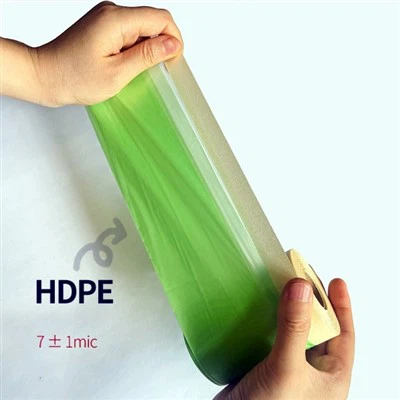
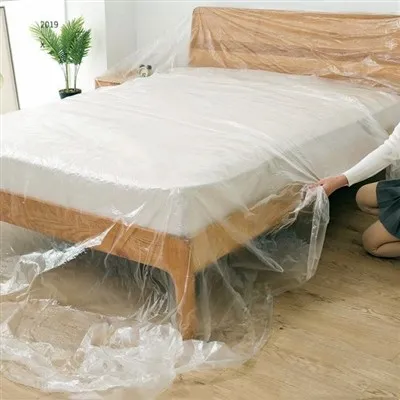
Masking film is a versatile product used in various industries for protection and masking purposes. It is typically made of a thin plastic material, such as polyethylene or polypropylene, and is coated with an adhesive on one side. The film is designed to adhere to surfaces temporarily, protecting them from paint, dust, scratches, and other forms of damage during painting, renovation, or other industrial processes.
The Concept of Waterproofness
Before we can determine whether masking film is waterproof, it's important to understand what "waterproof" means. A material is considered waterproof if it is impervious to water, preventing it from passing through under normal conditions. However, in the real world, the term "waterproof" can be somewhat relative, as there are different degrees of water resistance depending on the application and the conditions to which the material is exposed.
Factors Affecting the Waterproofness of Masking Film
Several factors can influence whether masking film can be considered waterproof:
Material Composition
The type of plastic used in the masking film plays a significant role in its water resistance. Polyethylene and polypropylene are both polymers that have inherent water - resistant properties. These materials have a low affinity for water molecules, which means that water does not easily penetrate them. However, the thickness and quality of the plastic can also affect its performance. Thicker films generally offer better water resistance than thinner ones, as they provide a greater barrier against water penetration.
Adhesive Quality
The adhesive used to attach the masking film to a surface is another crucial factor. A high - quality adhesive will form a tight seal between the film and the surface, preventing water from seeping in at the edges. If the adhesive is not strong enough or does not adhere well to the surface, water can find its way under the film, compromising its waterproofness.


Surface Preparation
Proper surface preparation is essential for ensuring the waterproofness of masking film. The surface must be clean, dry, and free of dust, grease, and other contaminants. If the surface is dirty or uneven, the film may not adhere properly, leaving gaps where water can enter.
Application Conditions
The conditions under which the masking film is applied can also impact its waterproof performance. For example, applying the film in high humidity or cold temperatures can affect the adhesive's ability to bond effectively. In addition, if the film is stretched or wrinkled during application, it may create weak spots where water can penetrate.
Testing the Waterproofness of Masking Film
At our company, we conduct rigorous testing to evaluate the waterproofness of our masking films. We use a variety of methods, including water immersion tests and spray tests, to simulate real - world conditions.
In a water immersion test, we cut samples of the masking film and attach them to a test panel. The panel is then submerged in water for a specified period of time. After the immersion, we check for any signs of water penetration, such as discoloration or delamination of the film.
A spray test involves spraying water onto the masked surface at a specific pressure and angle. We observe whether the water beads up on the surface or if it seeps under the film. These tests allow us to ensure that our masking films meet the highest standards of water resistance.
Applications Where Waterproof Masking Film is Crucial
There are several applications where the waterproofness of masking film is of utmost importance:
Painting and Coating
When painting surfaces that are exposed to water, such as bathrooms, kitchens, or exterior walls, using a waterproof masking film is essential. It protects adjacent areas from paint splatters and ensures that the paint job remains clean and professional. High Quality Masking Tapes are often used in these applications to provide a reliable barrier.
Car Detailing
In the automotive industry, waterproof masking film is used to protect sensitive areas of a car during painting or detailing. Car Transparent Film can be applied to windows, headlights, and other parts of the car to prevent water and paint from damaging them.
Industrial Manufacturing
In industrial settings, masking film is used to protect equipment and components from water and other contaminants during manufacturing processes. Factory Distributor Masking Films With Tapes are commonly used in these applications, as they offer a cost - effective and reliable solution for protecting valuable assets.
Conclusion
In conclusion, while masking film can offer a certain degree of water resistance, whether it is truly waterproof depends on several factors, including the material composition, adhesive quality, surface preparation, and application conditions. At our company, we take great care to manufacture masking films that meet the highest standards of water resistance. Through rigorous testing and quality control, we ensure that our products provide reliable protection in a variety of applications.
If you are in need of high - quality masking film for your project, we invite you to contact us for a detailed discussion. Our team of experts is ready to assist you in selecting the right product for your specific needs. Whether you are a professional painter, an automotive detailer, or an industrial manufacturer, we have the masking film solutions that you can rely on.
References
- ASTM International. (20XX). Standard test methods for evaluating the water resistance of protective films.
- Polymer Science Handbook. (20XX). Properties of polyethylene and polypropylene.