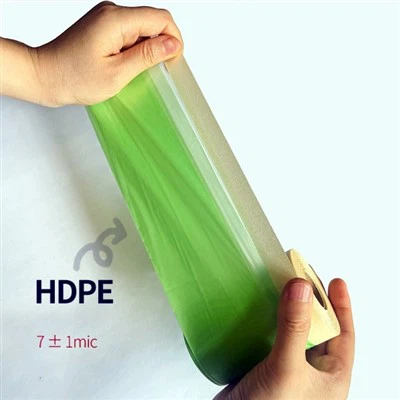
Hey there! As a supplier of Fiberglass Mesh Tape, I've been getting a lot of questions lately about the elasticity of this amazing product. So, I thought I'd take a few minutes to break it down for you and explain what it means for your projects.
First off, let's talk about what elasticity is. In simple terms, elasticity refers to a material's ability to stretch and then return to its original shape. When it comes to fiberglass mesh tape, elasticity plays a crucial role in its performance and versatility.
One of the key benefits of fiberglass mesh tape is its high level of elasticity. This means that it can easily conform to irregular surfaces and contours, making it ideal for a wide range of applications. Whether you're working on a small DIY project or a large commercial installation, fiberglass mesh tape can provide a secure and long-lasting bond.
For example, let's say you're installing drywall in your home. The elasticity of the fiberglass mesh tape allows it to flex and stretch as you apply it to the seams between the drywall panels. This helps to prevent cracking and ensures a smooth, seamless finish. Without the right amount of elasticity, the tape could pull away from the seams over time, leading to unsightly gaps and potential structural issues.


Another advantage of the elasticity of fiberglass mesh tape is its ability to withstand movement and vibration. In areas where there is a lot of foot traffic or where the building may experience some settling, the tape can flex and bend without breaking. This makes it a great choice for use in hallways, stairwells, and other high-traffic areas.
But how do you measure the elasticity of fiberglass mesh tape? Well, there are a few different factors to consider. One of the most important is the tensile strength of the tape. Tensile strength refers to the maximum amount of force that the tape can withstand before it breaks. A higher tensile strength generally means that the tape is more elastic and can stretch further without tearing.
Another factor to consider is the elongation at break. This is the percentage of stretch that the tape can achieve before it reaches its breaking point. A higher elongation at break indicates that the tape is more elastic and can handle greater amounts of stretching without failing.
When choosing a fiberglass mesh tape, it's important to look for a product that has a good balance of tensile strength and elongation at break. This will ensure that the tape can provide the elasticity you need for your specific application while still maintaining its strength and durability.
At our company, we offer a wide range of Fiberglass Tape Mesh Fabrics that are designed to meet the needs of different customers and applications. Our Fiberglass Tape Mesh Fabrics are made from high-quality fiberglass materials and are available in a variety of widths and thicknesses. Whether you're looking for a tape with high elasticity for a flexible application or a tape with high tensile strength for a more demanding project, we've got you covered.
We also offer Factory Distributor Fiber Glass Measuring Tape that are perfect for measuring and marking during installation. These tapes are accurate and easy to use, making them a valuable tool for any contractor or DIY enthusiast.
And if you're looking for a convenient way to store and transport your fiberglass mesh tape, we have Fiberglass Tape Roll that come in a variety of sizes and lengths. Our rolls are easy to handle and can be cut to the desired length, making them a great choice for both small and large projects.
In conclusion, the elasticity of fiberglass mesh tape is an important factor to consider when choosing a product for your next project. It can make a big difference in the performance and durability of the tape, as well as the overall quality of your finished work. By understanding the key factors that affect elasticity and choosing a high-quality product, you can ensure that your project will be a success.
If you have any questions or would like to learn more about our fiberglass mesh tape products, please don't hesitate to contact us. We're here to help you find the right solution for your needs and to provide you with the support and guidance you need to get the job done right.
References
- ASTM International. (Year). Standard Test Methods for Tensile Properties of Fiberglass Mesh Tape.
- Fiberglass Manufacturers Association. (Year). Technical Guide to Fiberglass Mesh Tape Elasticity.