


Fiberglass joint tape is a versatile and widely used material in the construction and related industries. One of its significant properties that often goes under - explored is its electrical insulation property. As a supplier of fiberglass joint tape, I'd like to delve deep into this characteristic and share some valuable insights.
Understanding Electrical Insulation
Electrical insulation is the ability of a material to resist the flow of electric current. In an electrical system, insulators are used to prevent the unwanted flow of electricity, protect people from electric shocks, and ensure the proper functioning of electrical equipment. Materials with high electrical resistivity are good insulators. When an electric field is applied to an insulator, the electrons in the material are tightly bound to their atoms and do not move freely, thus preventing the flow of current.
Electrical Insulation Property of Fiberglass Joint Tape
Fiberglass is composed of fine glass fibers. Glass, in general, is a well - known electrical insulator. The structure of glass consists of a network of silicon and oxygen atoms, with other elements added in small amounts depending on the type of glass. The electrons in the glass are held in place by strong chemical bonds, which makes it difficult for them to move and conduct electricity.
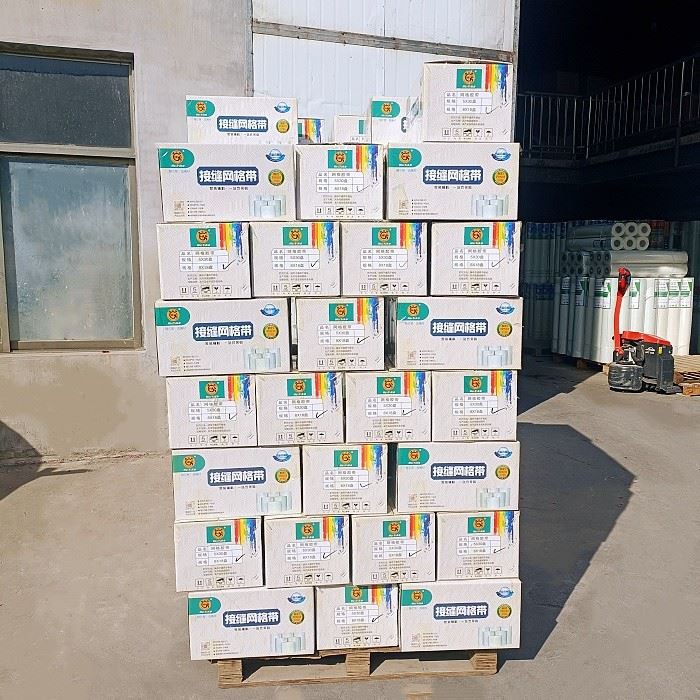
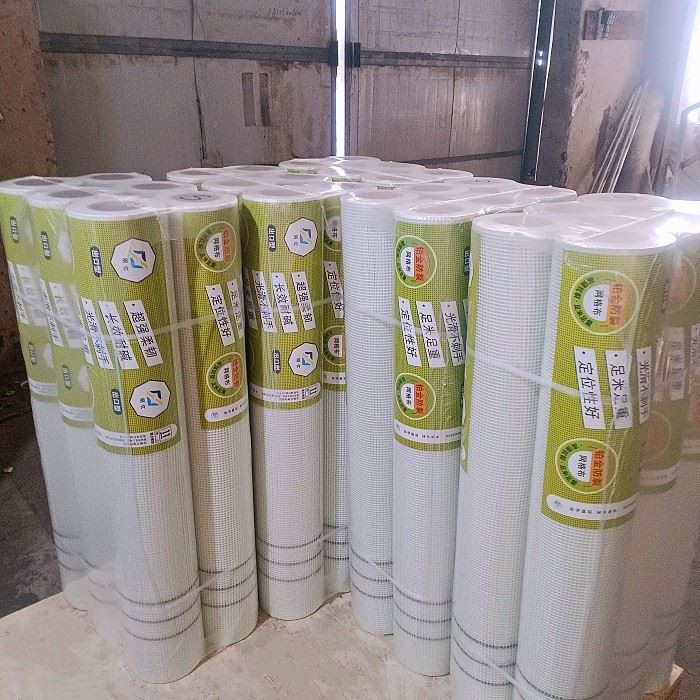
Fiberglass joint tape inherits this electrical insulation property from the glass fibers it is made of. The tape is typically made by weaving or bonding these glass fibers together. The tight arrangement of the fibers further enhances its insulating ability. The tape can withstand a certain amount of electrical potential difference without allowing significant current to pass through it.
This property is crucial in many applications. For example, in electrical installations, fiberglass joint tape can be used to insulate joints in electrical wiring. When two wires are joined together, there is a risk of short - circuits or electrical leakage. Applying fiberglass joint tape over the joint can prevent these issues by providing a layer of insulation. It can also be used in electrical enclosures to seal gaps and prevent the escape of electrical fields.
Factors Affecting the Electrical Insulation of Fiberglass Joint Tape
Fiber Quality
The quality of the glass fibers used in the tape has a direct impact on its electrical insulation. High - quality fibers with fewer impurities and a more uniform structure will have better insulating properties. Impurities in the glass can introduce free electrons or create pathways for current flow, reducing the insulation resistance of the tape.
Tape Thickness
Thicker fiberglass joint tape generally provides better electrical insulation. A thicker layer of tape means more glass fibers are present to resist the flow of electricity. However, it's important to balance the thickness with other factors such as flexibility and ease of application.
Environmental Conditions
The electrical insulation of fiberglass joint tape can be affected by environmental factors. Moisture is one of the most significant factors. When the tape is exposed to high humidity or water, the moisture can penetrate the tape and reduce its insulation resistance. Temperature can also play a role. At high temperatures, the molecular structure of the glass fibers may change slightly, which can affect their ability to hold electrons and thus impact the insulation property.
Applications Based on Electrical Insulation Property
Electrical Wiring
As mentioned earlier, fiberglass joint tape is widely used in electrical wiring. It can be used to insulate splices, terminals, and other connections in both residential and commercial electrical systems. For example, in a household electrical panel, when wires are connected to circuit breakers, fiberglass joint tape can be used to ensure that the connections are properly insulated and safe.
Electrical Equipment Manufacturing
In the manufacturing of electrical equipment such as transformers, generators, and motors, fiberglass joint tape can be used to insulate various components. It can be wrapped around coils to prevent short - circuits between the turns of the wire. This helps in improving the efficiency and reliability of the equipment.
Building Construction
In building construction, especially in buildings with complex electrical systems, fiberglass joint tape can be used to insulate electrical conduits and cables. It can also be used in areas where there is a risk of electrical interference, such as near communication cables, to prevent electromagnetic interference.
Our Fiberglass Joint Tape Offerings
As a supplier of fiberglass joint tape, we offer a wide range of products with excellent electrical insulation properties. Our 4x4mm160g Fiberglass Mesh Net To Turkey is a high - quality product that is suitable for various electrical insulation applications. It is made from premium glass fibers and has a tight mesh structure, which provides reliable insulation.
Our Blue And Light Blue Color Fiberglass Mesh is not only aesthetically pleasing but also has great electrical insulation capabilities. The color - coding can be useful in identifying different types of electrical connections or insulation requirements.
The Plaster Mesh With High Tensile Strength can also be used in electrical applications where both insulation and mechanical strength are required. It can be used to reinforce electrical enclosures while providing insulation at the same time.
Conclusion
The electrical insulation property of fiberglass joint tape is a valuable characteristic that makes it suitable for a wide range of applications in the electrical and construction industries. Understanding this property and the factors that affect it can help in choosing the right tape for specific needs.
If you are in need of high - quality fiberglass joint tape for your electrical insulation requirements, we are here to help. We can provide you with detailed product information and technical support. Feel free to contact us for more information and to start a procurement discussion.
References
- "Electrical Insulation Handbook" by E. P. Wolfrom
- "Fiberglass: Technology and Applications" by A. K. Bhowmick and H. L. Stephens


