What is the peel strength of masking film?
As a masking film supplier, I often encounter questions from customers regarding various properties of masking films, and one of the most frequently asked questions is about peel strength. In this blog post, I will delve into what peel strength means for masking films, why it is crucial, and how it impacts the performance of our products.
Understanding Peel Strength
Peel strength refers to the force required to remove a masking film from a surface at a specific angle and speed. It is typically measured in units such as Newtons per meter (N/m) or pounds per inch (lb/in). The peel strength of a masking film is a critical characteristic because it determines how well the film adheres to the surface during use and how easily it can be removed without leaving any residue.
There are two main types of peel strength that are commonly considered in the context of masking films: initial peel strength and final peel strength. Initial peel strength is the force needed to start peeling the film from the surface shortly after application. This is important because it ensures that the film stays in place during the process it is intended for, such as painting or sanding. Final peel strength, on the other hand, is the force required to remove the film after it has been on the surface for a certain period, which could range from a few hours to several days or even weeks depending on the application.
Factors Affecting Peel Strength
Several factors can influence the peel strength of a masking film. One of the primary factors is the type of adhesive used. Different adhesives have different levels of tack and adhesion properties. For example, acrylic adhesives are known for their good balance of initial and final peel strength, as well as their resistance to aging and environmental factors. Rubber-based adhesives, on the other hand, may offer higher initial tack but could have a more variable final peel strength.
The surface texture and chemistry of the substrate also play a significant role. A smooth and clean surface will generally result in better adhesion and more consistent peel strength compared to a rough or contaminated surface. Additionally, the temperature and humidity during application and use can affect the peel strength. Higher temperatures can soften the adhesive, increasing the initial peel strength, while lower temperatures can make the adhesive more brittle, potentially reducing the peel strength.
The duration of time the film is left on the surface can also impact the peel strength. Over time, the adhesive may bond more strongly to the surface, increasing the final peel strength. However, if the film is left on for too long, it may become difficult to remove without damaging the surface or leaving behind adhesive residue.
Importance of Peel Strength in Different Applications
The appropriate peel strength for a masking film depends on the specific application. In the automotive industry, for example, Car Anti-scratch Protective Film is often used to protect the car's paint during transportation or while performing bodywork. A film with the right peel strength is essential to ensure that it stays in place during handling and can be removed cleanly without damaging the paint. If the peel strength is too low, the film may come off prematurely, exposing the paint to damage. If the peel strength is too high, it may be difficult to remove the film without peeling off some of the paint.
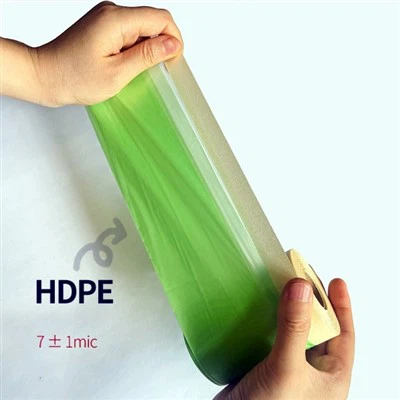
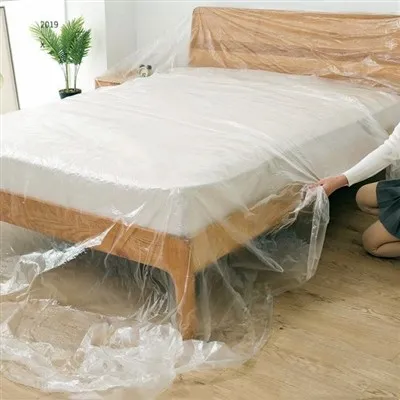
In the construction industry, Dust Proof Plastic Masking Film is used to protect surfaces from dust, debris, and paint overspray. Here, the peel strength needs to be sufficient to keep the film in place during the construction process but not so high that it damages the surface when removed. This is especially important when protecting delicate surfaces such as glass or newly painted walls.
For the automotive detailing and customization market, Car Transparent Film is used to create custom designs or protect specific areas of the car. The peel strength of this film should allow for easy application and removal, as well as the ability to reposition the film if necessary during the installation process.
Testing and Quality Control
As a masking film supplier, we take the peel strength of our products very seriously. We conduct regular testing to ensure that our films meet the required standards for different applications. One common method of testing peel strength is the 180-degree peel test, where the film is peeled from the substrate at a 180-degree angle at a constant speed using a testing machine. This test provides a quantitative measure of the peel strength and allows us to compare different batches of films and ensure consistency in our product quality.


In addition to peel strength testing, we also perform other quality control checks, such as adhesion testing on different substrates, aging tests to simulate long-term exposure, and residue testing to ensure that the film can be removed cleanly without leaving any adhesive behind. These tests help us to identify any potential issues with our products and make necessary adjustments to our manufacturing processes.
Choosing the Right Masking Film Based on Peel Strength
When choosing a masking film, it is important to consider the specific requirements of your application. If you need a film that will be on the surface for a short period and requires easy removal, a film with a lower peel strength may be suitable. On the other hand, if the film needs to stay in place for a longer time and resist high levels of stress, a film with a higher peel strength may be necessary.
It is also advisable to consult with a masking film supplier, like us, who can provide expert advice based on their experience and knowledge of different applications. We can help you select the right film with the appropriate peel strength for your specific needs, as well as provide samples for testing before making a large purchase.
Contact Us for Your Masking Film Needs
If you are in the market for masking films and have questions about peel strength or any other properties, we are here to help. Our team of experts has extensive experience in the masking film industry and can provide you with the information and guidance you need to make the right choice. Whether you are in the automotive, construction, or any other industry that requires masking films, we have a wide range of products to meet your needs.
Don't hesitate to reach out to us for more information or to discuss your specific requirements. We look forward to working with you and providing you with high-quality masking films that meet your expectations.
References
- ASTM D3330/D3330M - 04(2018) Standard Test Method for Peel Adhesion of Pressure - Sensitive Tape.
- Adhesive Tape Council. Technical Information on Adhesive Tapes.