What is the static cling property of stretch film tapes?
As a supplier of Stretch Film Tapes, I often get asked about the various properties of our products, and one that frequently comes up is the static cling property. In this blog post, I'll delve into what static cling is, how it works in stretch film tapes, and its benefits in different applications.
Understanding Static Cling
Static cling is a phenomenon where two surfaces adhere to each other due to static electricity. Static electricity is the imbalance of electric charges within or on the surface of a material. When two materials come into contact and then separate, electrons can be transferred from one material to the other, creating a charge imbalance. This imbalance results in an electrostatic force that can cause the materials to stick together.
In the context of stretch film tapes, static cling occurs when the film comes into contact with a surface. The film itself has a certain level of electrical conductivity, and when it touches another surface, electrons are exchanged, creating an electrostatic attraction between the film and the surface. This attraction allows the film to adhere to the surface without the need for additional adhesives.
How Static Cling Works in Stretch Film Tapes
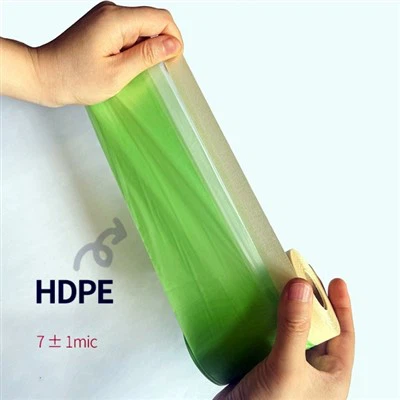
Stretch film tapes are typically made from polymers such as polyethylene or polypropylene. These polymers have unique electrical properties that allow them to generate and hold static charges. When the film is stretched, the molecular structure of the polymer is aligned, which can enhance the generation of static electricity.


As the stretched film is applied to a surface, the static charges on the film interact with the charges on the surface. If the charges are opposite, they will attract each other, causing the film to cling to the surface. The strength of the static cling depends on several factors, including the type of polymer used, the thickness of the film, the surface roughness of the substrate, and the environmental conditions.
For example, a smoother surface will generally have a stronger static cling than a rough surface because there is more contact area between the film and the surface. Additionally, low humidity environments tend to enhance static cling because there is less moisture in the air to dissipate the static charges.
Benefits of Static Cling in Stretch Film Tapes
The static cling property of stretch film tapes offers several benefits in various applications:
- Clean and Residue-Free: Unlike adhesive tapes, stretch film tapes with static cling do not leave any residue on the surface after removal. This makes them ideal for applications where a clean surface is required, such as packaging delicate items or protecting surfaces during painting or construction.
- Easy Application and Removal: Static cling allows the film to be easily applied and removed without the need for tools or additional adhesives. This makes it a convenient and cost-effective solution for temporary or reusable applications.
- Versatility: Stretch film tapes with static cling can be used on a wide range of surfaces, including glass, plastic, metal, and wood. They can be used for packaging, wrapping, bundling, and protecting items of different shapes and sizes.
- Enhanced Protection: The static cling helps to keep the film in place, providing a secure and protective barrier against dust, dirt, moisture, and scratches. This is particularly important for products that need to be transported or stored for extended periods.
Applications of Stretch Film Tapes with Static Cling
The static cling property of stretch film tapes makes them suitable for a variety of applications across different industries:
- Packaging: Stretch film tapes are commonly used in the packaging industry to secure products during shipping and storage. The static cling helps to keep the film tightly wrapped around the product, preventing it from shifting or moving.
- Display and Signage: In the retail and advertising industries, stretch film tapes are used to apply graphics and signage to windows, walls, and other surfaces. The static cling allows for easy installation and removal, making it a popular choice for temporary displays.
- Automotive and Aerospace: Stretch film tapes are used in the automotive and aerospace industries to protect painted surfaces, windows, and other components during manufacturing, transportation, and storage. The static cling provides a temporary barrier against scratches, dirt, and other contaminants.
- Home and Office: At home and in the office, stretch film tapes can be used for a variety of purposes, such as wrapping gifts, organizing cables, and protecting furniture. The static cling makes them easy to use and reposition as needed.
Factors Affecting Static Cling
While static cling can be a useful property, it's important to understand the factors that can affect its performance. Here are some key factors to consider:
- Film Thickness: Thicker films generally have a stronger static cling than thinner films because they can hold more static charges. However, thicker films may also be more difficult to stretch and apply.
- Surface Material: Different materials have different electrical properties, which can affect the static cling. For example, non-conductive materials such as glass and plastic tend to have a stronger static cling than conductive materials such as metal.
- Environmental Conditions: As mentioned earlier, humidity can have a significant impact on static cling. High humidity levels can reduce the static charges on the film and the surface, making the cling weaker. Temperature can also affect static cling, with colder temperatures generally enhancing the effect.
- Film Treatment: Some stretch film tapes are treated with additives or coatings to enhance their static cling properties. These treatments can improve the performance of the film in specific applications.
Maintaining Static Cling
To ensure optimal static cling performance, it's important to take proper care of the stretch film tapes. Here are some tips:
- Store in a Dry Environment: Keep the film in a dry place to prevent moisture from reducing the static charges. Avoid storing the film in areas with high humidity or near sources of moisture.
- Avoid Contamination: Keep the film clean and free from dirt, dust, and other contaminants. Contamination can reduce the static cling and make the film less effective.
- Handle with Care: When handling the film, avoid touching the surface with your hands as much as possible. The oils and moisture on your hands can transfer to the film and reduce the static charges.
- Use the Right Application Technique: Apply the film smoothly and evenly to the surface to ensure maximum contact area. Avoid stretching the film too much, as this can reduce the static cling.
Conclusion
The static cling property of stretch film tapes is a valuable feature that offers many benefits in various applications. It provides a clean, residue-free, and easy-to-use solution for packaging, protecting, and displaying items. By understanding how static cling works and the factors that affect it, you can choose the right stretch film tape for your specific needs and ensure optimal performance.
If you're interested in learning more about our Stretch Film Tapes or our Premium Stretch Film, please don't hesitate to contact us. Our team of experts is ready to assist you with your procurement needs and provide you with the best solutions for your business.
References
- "Static Electricity in Polymers" by X. Cheng and Y. Yang, Polymer Engineering and Science, 2015.
- "The Science of Stretch Film" by Packaging World, 2020.
- "Static Cling: Principles and Applications" by the Electrostatics Society of America, 2018.