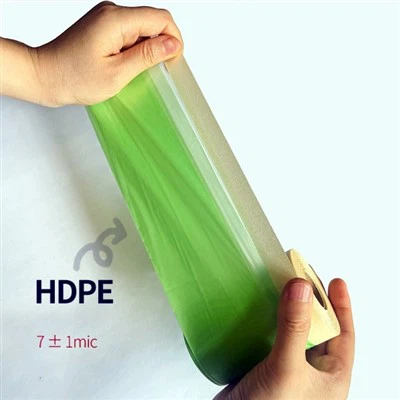
Tear strength is a crucial property when it comes to stretch film tapes, defining their ability to resist tearing under stress. As a supplier of Stretch Film Tapes, I've witnessed firsthand how understanding this characteristic can significantly impact the performance and suitability of these products in various applications.


Understanding Tear Strength
Tear strength refers to the force required to initiate or propagate a tear in a material. In the context of stretch film tapes, it measures how well the tape can withstand tearing when subjected to pulling, stretching, or other mechanical forces. This property is essential because stretch film tapes are often used to secure and bundle items during transportation, storage, or packaging processes. If a tape has low tear strength, it may easily tear or split, compromising the integrity of the package and potentially leading to product damage.
There are two main types of tear strength commonly measured in stretch film tapes: Elmendorf tear strength and trouser tear strength.
Elmendorf Tear Strength
The Elmendorf tear test is a widely used method for measuring the tear resistance of thin films and sheets. In this test, a specimen of the stretch film tape is held in a pendulum apparatus, and a precut slit is made in the specimen. The pendulum is then released, and as it swings, it tears the specimen. The energy required to tear the specimen is measured, and this value is reported as the Elmendorf tear strength.
Elmendorf tear strength is typically reported in grams or millinewtons per millimeter of thickness. A higher Elmendorf tear strength indicates that the tape is more resistant to tearing when a sudden, sharp force is applied, such as during the opening or closing of a package.
Trouser Tear Strength
The trouser tear test, also known as the pant leg tear test, measures the force required to propagate a tear in a material. In this test, a specimen of the stretch film tape is cut in the shape of a trouser leg, with a precut slit at the center of the specimen. The two legs of the "trouser" are then pulled apart at a constant speed, and the force required to continue tearing the specimen is measured.
Trouser tear strength is reported in newtons or pounds-force. This test provides information about the tape's resistance to tearing when a steady, continuous force is applied, such as when the tape is being stretched around an object.
Factors Affecting Tear Strength
Several factors can influence the tear strength of stretch film tapes. Understanding these factors can help you choose the right tape for your specific application.
Polymer Composition
The type of polymer used in the production of the stretch film tape plays a significant role in determining its tear strength. Different polymers have different molecular structures and properties, which can affect how the tape resists tearing. For example, polyethylene (PE) is a commonly used polymer in stretch film tapes due to its excellent tear resistance, flexibility, and cost-effectiveness. High-density polyethylene (HDPE) generally has higher tear strength than low-density polyethylene (LDPE) but may be less flexible.
Film Thickness
Thicker stretch film tapes generally have higher tear strength than thinner tapes. This is because a thicker film has more material to resist the tearing force. However, increasing the thickness of the tape also increases its cost and may make it less flexible, which can be a disadvantage in some applications.
Additives
Additives can be incorporated into the stretch film tape during the manufacturing process to enhance its tear strength. For example, some tapes may contain additives that improve the tape's resistance to punctures and tears, such as anti-block agents or slip agents. These additives can help prevent the tape from sticking to itself or other surfaces, reducing the risk of tearing during handling.
Manufacturing Process
The manufacturing process used to produce the stretch film tape can also affect its tear strength. For example, the orientation of the polymer molecules during the extrusion process can influence the tape's mechanical properties. Tapes that are produced using a biaxial orientation process, where the polymer molecules are aligned in both the machine direction and the transverse direction, generally have higher tear strength in both directions compared to tapes produced using a uniaxial orientation process.
Importance of Tear Strength in Applications
The tear strength of stretch film tapes is crucial in a variety of applications, including:
Packaging
In the packaging industry, stretch film tapes are used to secure products in boxes, pallets, or other containers. A tape with high tear strength ensures that the package remains intact during handling, transportation, and storage. This helps prevent product damage and reduces the risk of costly returns or replacements.
Industrial Applications
In industrial settings, stretch film tapes are often used to bundle and secure items such as pipes, cables, or machinery parts. These applications require tapes that can withstand high levels of stress and tearing without breaking. A tape with low tear strength may not be able to hold the items together securely, leading to safety hazards or equipment damage.
Retail and Consumer Goods
Stretch film tapes are also used in the retail and consumer goods industries for packaging and display purposes. For example, they may be used to seal product packages or to attach promotional materials to products. In these applications, a tape with good tear strength is essential to ensure that the package looks presentable and remains intact until it reaches the end consumer.
Choosing the Right Stretch Film Tape Based on Tear Strength
When selecting a stretch film tape for your application, it's important to consider the tear strength requirements of the specific task. Here are some tips to help you choose the right tape:
Assess Your Application
First, assess the type of application you'll be using the tape for. Consider factors such as the size and weight of the items being packaged, the handling and transportation conditions, and the expected duration of storage. This will help you determine the minimum tear strength required for the tape.
Compare Tear Strength Ratings
Look for stretch film tapes that provide tear strength ratings, such as Elmendorf tear strength or trouser tear strength. Compare the ratings of different tapes to find the one that meets your requirements. Keep in mind that higher tear strength may come at a higher cost, so you'll need to balance performance with budget.
Consider Other Properties
In addition to tear strength, consider other properties of the stretch film tape, such as its adhesion strength, stretchability, and clarity. These properties can also affect the tape's performance in your application. For example, if you need a tape that can be easily stretched around irregularly shaped objects, you'll want to choose a tape with good stretchability.
Our Premium Stretch Film Offerings
As a supplier of stretch film tapes, we offer a range of Premium Stretch Film products with excellent tear strength and other desirable properties. Our tapes are manufactured using high-quality polymers and advanced manufacturing processes to ensure consistent performance and reliability.
Whether you need a tape for light-duty packaging or heavy-duty industrial applications, we have the right solution for you. Our team of experts can help you choose the best tape for your specific needs and provide you with technical support and advice.
Conclusion
The tear strength of stretch film tapes is a critical property that can significantly impact their performance in various applications. By understanding the factors that affect tear strength and choosing the right tape for your specific needs, you can ensure that your packages remain secure and your products are protected during handling, transportation, and storage.
If you're interested in learning more about our stretch film tapes or would like to discuss your specific requirements, please don't hesitate to contact us. We're here to help you find the best solution for your packaging and industrial needs.
References
- ASTM D1922 - Standard Test Method for Propagation Tear Resistance of Plastic Film and Thin Sheeting by Pendulum Method (Elmendorf).
- ASTM D2582 - Standard Test Method for Tear Resistance of Plastic Film and Sheeting by Trouser Tear Procedure.
- Packaging Machinery Manufacturers Institute (PMMI). Packaging Machinery Technology Roadmap.