Fiberglass mesh is a versatile and widely used material in various industries, including construction, automotive, and home improvement. One of the key specifications that often concerns customers is the weight of fiberglass mesh per square meter. In this blog post, I'll share some insights into this topic as a supplier of high - quality fiberglass mesh products.
Understanding the Importance of Mesh Weight
The weight of fiberglass mesh per square meter is a crucial factor as it directly affects the performance and suitability of the mesh for different applications. A heavier mesh generally provides more strength and durability, making it ideal for applications where high - stress resistance is required. On the other hand, a lighter mesh may be more flexible and cost - effective for less demanding tasks.
Factors Affecting the Weight of Fiberglass Mesh
Several factors contribute to the weight of fiberglass mesh per square meter:
Fiber Thickness
The thickness of the individual fiberglass fibers used in the mesh plays a significant role. Thicker fibers generally result in a heavier mesh. Manufacturers can control the fiber thickness during the production process to meet different weight requirements. For example, in applications where high - strength reinforcement is needed, such as in large - scale construction projects, meshes made from thicker fibers are often preferred.
Mesh Density
The density of the mesh, which refers to the number of strands per unit area, also impacts the weight. A mesh with a higher strand density will have more fibers packed into a square meter, leading to a greater weight. Higher - density meshes are typically used in applications where a finer level of reinforcement is required, such as in some types of plastering or in the production of high - quality composites.
Coating
Many fiberglass meshes are coated with various substances to enhance their performance. The type and thickness of the coating can add to the overall weight of the mesh. For instance, a mesh coated with a heavy - duty polymer for better water resistance and chemical stability will weigh more than an uncoated mesh. The coating not only affects the weight but also the mesh's resistance to environmental factors and its adhesion properties.
Common Weight Ranges of Fiberglass Mesh
Fiberglass mesh comes in a wide range of weights per square meter, depending on its intended use.
Light - Weight Meshes
Light - weight fiberglass meshes typically have a weight ranging from 30 to 100 grams per square meter. These meshes are highly flexible and are commonly used in applications such as wallpapering, minor crack repairs in drywall, and as a backing for some types of insulation materials. They are easy to handle and can be cut and shaped with basic tools. For example, in home improvement projects where quick and simple repairs are needed, a light - weight mesh can be easily applied to prevent small cracks from spreading.
Medium - Weight Meshes
Medium - weight meshes usually weigh between 100 and 200 grams per square meter. They offer a good balance between strength and flexibility. These meshes are often used in exterior wall insulation systems, such as the External Thermal Insulation Composite System (ETICS). In ETICS, the medium - weight mesh provides reinforcement to the insulation layer and helps to prevent cracking of the finishing coat. They are also suitable for some automotive applications, such as in the repair of fiberglass body parts.
Heavy - Weight Meshes
Heavy - weight fiberglass meshes can have a weight of over 200 grams per square meter. These meshes are extremely strong and are used in high - stress applications. In the construction industry, they are often employed in the reinforcement of concrete structures, such as slabs, beams, and columns. They can also be used in industrial flooring applications where high - impact resistance is required. For example, in a factory floor where heavy machinery is constantly moving, a heavy - weight fiberglass mesh can be embedded in the concrete to enhance its load - bearing capacity.
Our Product Offerings
As a leading supplier of fiberglass mesh, we offer a diverse range of products to meet different customer needs. Our Orange Fiberglass Meshes Net Rolls come in various weights, from light - weight options for easy handling to heavy - weight ones for maximum strength. These orange - colored meshes are not only visually distinct but also offer excellent performance in different applications.
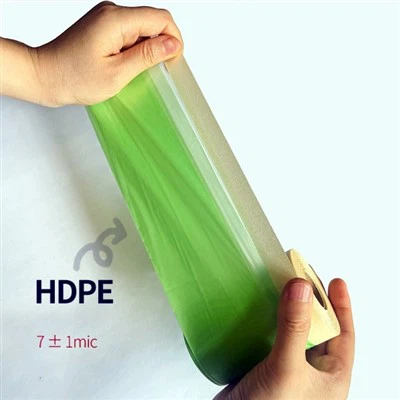
We also provide Duty Masking Film For Auto And Home Painting. This product combines the properties of a masking film with the reinforcement of fiberglass mesh. It is available in different weights to suit the specific requirements of automotive and home painting projects. Whether you need a light - weight film for a delicate paint job or a heavier one for more demanding applications, we have the right product for you.


Another popular product in our portfolio is the Fiberglass Fiber Gridding Cloth Glass Mesh. This mesh is made from high - quality fiberglass fibers and is available in a wide range of weights. It can be used in a variety of applications, including wall reinforcement, tile backing, and as a component in composite materials.
Choosing the Right Weight for Your Application
When selecting the weight of fiberglass mesh for your project, it's important to consider the specific requirements of the application. Here are some guidelines to help you make the right choice:
Identify the Stress Level
Determine the amount of stress the mesh will be subjected to. If it's a low - stress application, such as covering small cracks in a wall, a light - weight mesh will suffice. However, for high - stress applications like reinforcing a large concrete structure, a heavy - weight mesh is necessary.
Consider the Environmental Conditions
The environmental conditions where the mesh will be used also matter. If the mesh will be exposed to moisture, chemicals, or extreme temperatures, a heavier - weight mesh with a suitable coating may be required to ensure long - term durability.
Budget Constraints
Your budget is another important factor. Generally, lighter - weight meshes are more cost - effective. If your project has budget limitations and the requirements are not overly demanding, a lighter - weight mesh can be a practical choice.
Conclusion
The weight of fiberglass mesh per square meter is a critical specification that affects its performance and suitability for different applications. By understanding the factors that influence the weight, the common weight ranges, and how to choose the right weight for your project, you can make an informed decision.
As a trusted supplier of fiberglass mesh, we are committed to providing high - quality products that meet your specific needs. Whether you need a light - weight mesh for a small home improvement project or a heavy - weight mesh for a large - scale construction job, we have the expertise and the product range to serve you. If you have any questions or are interested in purchasing our fiberglass mesh products, we encourage you to reach out to us for a detailed discussion. We look forward to working with you on your next project.
References
- ASTM International. (Year). Standard Specifications for Fiberglass Mesh.
- Construction Materials Handbook. (Year). Publisher.
- Automotive Fiberglass Applications Guide. (Year). Industry Association.