As a supplier of 3M Masking Films, I often receive inquiries from customers about the safety of using these films on plastic surfaces. This is a crucial question, as the improper use of masking films can lead to damage to plastic materials, which in turn affects the quality and appearance of the final product. In this blog post, I will delve into the safety aspects of using 3M Masking Films on plastic surfaces, providing you with scientific and practical information.
Understanding 3M Masking Films
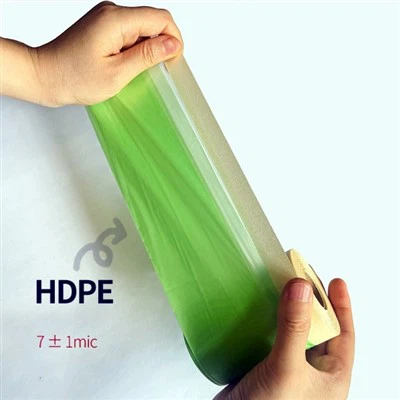
3M is a well - known brand that offers a wide range of masking films designed for various applications, including automotive painting, industrial coating, and DIY projects. These films are engineered to provide reliable protection during painting and other surface - treatment processes. They are made from high - quality materials and are designed to adhere well to surfaces while being easy to remove without leaving residue.
Factors Affecting the Safety of Using 3M Masking Films on Plastic Surfaces
Compatibility of Materials
One of the primary factors to consider is the compatibility between the masking film and the plastic surface. Different plastics have different chemical compositions and surface properties. For example, polycarbonate, polyethylene, and polypropylene each have unique characteristics. 3M has conducted extensive research and development to ensure that their masking films are compatible with a wide range of plastics. However, it is still important to test the film on a small, inconspicuous area of the plastic surface before full - scale application. This can help identify any potential issues such as chemical reactions, discoloration, or adhesion problems.
Adhesive Properties
The adhesive used in 3M Masking Films is a critical component. It needs to provide sufficient adhesion to keep the film in place during the painting or coating process but should not be so strong that it damages the plastic surface when removed. 3M's adhesives are formulated to have a balance between adhesion and removability. They are designed to bond well to the surface without penetrating the plastic or causing it to deform. However, factors such as temperature, humidity, and the length of time the film is left on the surface can affect the adhesive's performance.
Environmental Conditions
Environmental conditions play a significant role in the safety of using masking films on plastic surfaces. High temperatures can cause the adhesive to become more fluid, increasing the risk of it seeping into the plastic or leaving a residue. On the other hand, low temperatures can make the film brittle, which may lead to it cracking or peeling off prematurely. Humidity can also affect the adhesion and the overall performance of the masking film. It is recommended to use 3M Masking Films within the temperature and humidity ranges specified by the manufacturer.
Testing Procedures for Safety
To ensure the safety of using 3M Masking Films on plastic surfaces, a series of testing procedures can be carried out:
Adhesion Test
This test involves applying the masking film to the plastic surface and then using a standard testing method to measure the force required to remove the film. If the force is too high, it may indicate that the film is adhering too strongly and could potentially damage the plastic. Conversely, if the force is too low, the film may not stay in place during the painting process.
Chemical Compatibility Test
A chemical compatibility test can be performed by applying a small amount of a chemical (such as a paint solvent) to the area covered by the masking film and observing any changes in the plastic surface. This can help determine if the film provides adequate protection against chemical damage.
Long - Term Exposure Test
In some cases, it may be necessary to conduct a long - term exposure test. This involves leaving the masking film on the plastic surface for an extended period (e.g., several days or weeks) and then checking for any signs of damage, such as discoloration, deformation, or reduced adhesion.
Real - World Applications and Case Studies
In real - world applications, 3M Masking Films have been widely used on plastic surfaces in various industries. For example, in the automotive industry, they are used to protect plastic body parts during painting. Many automotive manufacturers have reported positive results, with the films providing reliable protection without causing any damage to the plastic.
In the electronics industry, 3M Masking Films are used to protect plastic components during the coating process. The films prevent overspray and ensure a clean and professional finish. Case studies have shown that when used correctly, these films can significantly improve the efficiency and quality of the manufacturing process.


Where to Find 3M Masking Films
If you are interested in purchasing 3M Masking Films, you can find a variety of options on our website. We offer China Factory Supply Masking Film For Painting, which is suitable for a wide range of painting applications. Our High Quality Masking Tapes are also available, providing reliable adhesion and easy removal. Additionally, we have China Factory Supply Masking Film Rolls in different sizes and specifications to meet your specific needs.
Conclusion
In conclusion, 3M Masking Films are generally safe to use on plastic surfaces when used correctly. The company's extensive research and development, along with strict quality control measures, ensure that the films are compatible with a wide range of plastics and provide reliable protection. However, it is essential to follow the recommended procedures, such as conducting pre - tests, considering environmental conditions, and using the films within the specified temperature and humidity ranges.
If you have any questions about using 3M Masking Films on plastic surfaces or are interested in purchasing our products, please feel free to contact us for more information and to discuss your specific requirements. We are committed to providing you with the best solutions for your masking needs.
References
- 3M Product Manuals
- Research Papers on Plastic Surface Protection and Masking Films
- Industry Standards for Masking Film Use on Plastic Surfaces