Hey there! As a furniture protective film supplier, I often get asked a really interesting question: "Can furniture protective film be used on antique furniture?" It's a topic that combines my passion for protective solutions with the allure of antique pieces, so let's dive right in and explore this together.
First off, let's talk about what antique furniture is. Antique furniture isn't just old furniture; it's pieces that have historical, aesthetic, or cultural value. These are items that have stood the test of time, often with unique craftsmanship, materials, and stories behind them. Think of those beautiful Victorian - era cabinets or the elegant Art Deco tables. They're not just pieces of furniture; they're little slices of history.
Now, the idea of using furniture protective film on these precious antiques might seem a bit controversial at first. Some antique enthusiasts might be worried that the film could damage the furniture in some way. And that's a valid concern. But here's the thing: not all protective films are created equal.
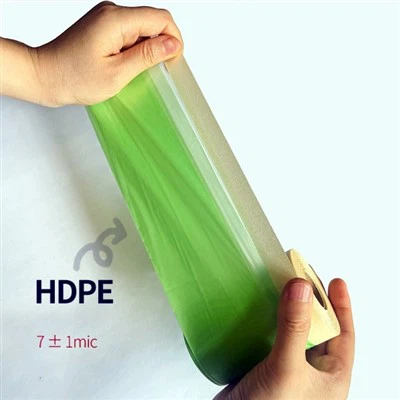
Our Factory supply Furniture Protective Film 55cm is designed with high - quality materials that are gentle on surfaces. It's made to provide a barrier against scratches, dust, and minor impacts without leaving any residue when it's removed. This is crucial when it comes to antique furniture because you don't want to cause any damage or alteration to the original finish.
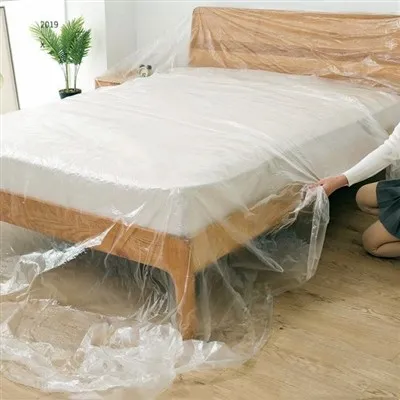
One of the main benefits of using protective film on antique furniture is protection during transportation or storage. Moving antique pieces can be a nerve - wracking experience. There's always a risk of scratches or dents during the moving process. A good protective film can act as a shield, keeping your antique safe from those accidental bumps and scrapes. For example, if you're moving an antique dining table to a new location, Table Protection Film can cover the tabletop and prevent any surface damage.
In storage, antique furniture can also face threats like dust accumulation and humidity. Dust can settle on the surface and, over time, cause abrasion. Humidity can lead to warping or the growth of mold. Our protective film helps to keep dust out and can provide a bit of a buffer against humidity changes.
But, before you rush to apply the film, there are a few things you need to consider. First, it's important to clean the antique furniture properly. Any dirt or debris between the film and the furniture surface can cause scratches when the film is removed. So, use a soft, dry cloth to gently wipe the surface clean.
Second, test the film on a small, inconspicuous area first. This will help you make sure that the film doesn't cause any discoloration or damage to the finish. Let the test area sit for a few days and check it regularly to see if there are any adverse effects.
Another factor to think about is the type of finish on the antique furniture. Some antique pieces have delicate finishes, like shellac or lacquer. These finishes require extra care. Our Plastic Furniture Protective Film With Tape is designed to be gentle on a variety of surfaces, but it's still important to be cautious.
If you're not sure about using the film on your antique furniture, it might be a good idea to consult an antique furniture expert. They can give you specific advice based on the type and condition of your piece.
Now, let's talk about the application process. Applying the protective film to antique furniture should be done carefully. Start by cutting the film to the appropriate size, leaving a little extra around the edges. Then, slowly peel off the backing of the film and align it with the surface of the furniture. Use a soft, smooth object, like a credit card, to smooth out any air bubbles as you go. Make sure the film adheres evenly to the surface.
When it comes time to remove the film, do it slowly and at a low angle. This will help prevent any damage to the furniture surface. If there are any stubborn areas, you can use a bit of warm water to soften the adhesive.
In conclusion, furniture protective film can be used on antique furniture, but it needs to be done with care. Our high - quality protective films are designed to offer protection without causing harm, but it's always important to take the necessary precautions.
If you're interested in protecting your antique furniture or any other type of furniture, we're here to help. We have a wide range of protective films to suit different needs. Whether you're moving, storing, or just want to keep your furniture in top condition, our products can provide the solution you're looking for.
If you have any questions or want to discuss your specific requirements, feel free to reach out. We're always happy to have a chat and help you find the right protective film for your furniture. Let's work together to keep your precious pieces safe and looking great!
References


- Furniture Conservation: Principles and Practice, by Andrew C. McGrew
- Antique Furniture: Identification and Price Guide, by R. W. Symonds