As a supplier of protective painting films, I am often asked whether these films can be cut to fit specific shapes. The answer is a resounding yes! Protective painting films are highly versatile and can be customized to meet a wide range of shape requirements. In this blog post, I will explore the process of cutting protective painting films, the tools and techniques involved, and the benefits of using custom-cut films for various applications.
Understanding Protective Painting Films
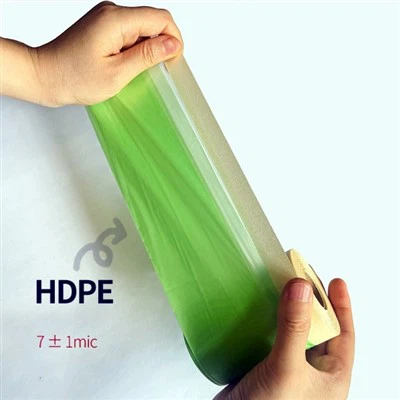
Before delving into the cutting process, it's essential to understand what protective painting films are and how they work. Protective painting films are thin, flexible sheets made from various materials such as polyethylene (PE), polyvinyl chloride (PVC), or polyurethane (PU). These films are designed to adhere to surfaces, providing a protective barrier against scratches, abrasions, chemicals, and UV rays.
Protective painting films come in different thicknesses, sizes, and colors, making them suitable for a variety of applications. They are commonly used in industries such as automotive, furniture, construction, and electronics to protect painted surfaces during transportation, storage, or installation.
Cutting Protective Painting Films
Cutting protective painting films to fit specific shapes is a relatively straightforward process that can be accomplished using a variety of tools and techniques. The choice of tool depends on the complexity of the shape, the thickness of the film, and the desired level of precision. Here are some common methods for cutting protective painting films:
Scissors
Scissors are the simplest and most accessible tool for cutting protective painting films. They are suitable for cutting straight lines and simple shapes. When using scissors, it's important to choose a sharp pair with a fine blade to ensure clean cuts. To cut the film, place it on a flat surface and use a ruler or straight edge to guide the scissors. Apply even pressure and cut slowly to avoid tearing the film.
Utility Knife
A utility knife is a more versatile tool for cutting protective painting films. It can be used to cut straight lines, curves, and intricate shapes. When using a utility knife, it's important to choose a blade with a sharp edge and a comfortable grip. To cut the film, place it on a cutting mat or a hard surface and use a ruler or template to guide the knife. Apply firm pressure and make multiple passes if necessary to cut through the film.
Laser Cutter
A laser cutter is a high-precision tool that uses a laser beam to cut through materials. It is suitable for cutting complex shapes and patterns with a high degree of accuracy. When using a laser cutter, it's important to choose a machine that is capable of cutting the thickness and type of film you are using. To cut the film, create a digital design using a vector graphics software and import it into the laser cutter. The machine will then use the laser beam to cut the film according to the design.
Die Cutting
Die cutting is a process that uses a die, which is a custom-made tool, to cut through materials. It is suitable for cutting large quantities of the same shape or pattern with a high degree of consistency. When using die cutting, it's important to choose a die that is made from a durable material and is designed to cut the thickness and type of film you are using. To cut the film, place it on a cutting press and use the die to cut through the film.
Benefits of Using Custom-Cut Protective Painting Films
Using custom-cut protective painting films offers several benefits over using pre-cut or standard-sized films. Here are some of the key advantages:
Perfect Fit
Custom-cut protective painting films are designed to fit specific shapes and sizes, ensuring a perfect fit on the surface to be protected. This eliminates the need for trimming or adjusting the film, saving time and reducing waste.
Enhanced Protection
Custom-cut protective painting films provide enhanced protection for painted surfaces by covering them completely and evenly. This helps to prevent scratches, abrasions, and other types of damage during transportation, storage, or installation.
Improved Aesthetics
Custom-cut protective painting films can be designed to match the color and texture of the painted surface, providing a seamless and professional appearance. This is particularly important for applications where the appearance of the surface is critical, such as in the automotive and furniture industries.
Cost-Effective
Custom-cut protective painting films can be more cost-effective than using pre-cut or standard-sized films, especially for large or complex projects. By cutting the film to the exact size and shape required, you can minimize waste and reduce the amount of film needed.
Applications of Custom-Cut Protective Painting Films
Custom-cut protective painting films are used in a wide range of applications across various industries. Here are some of the common uses:
Automotive
In the automotive industry, custom-cut protective painting films are used to protect painted surfaces during transportation, storage, and installation. They are commonly used on cars, trucks, motorcycles, and other vehicles to prevent scratches, chips, and other types of damage.
Furniture
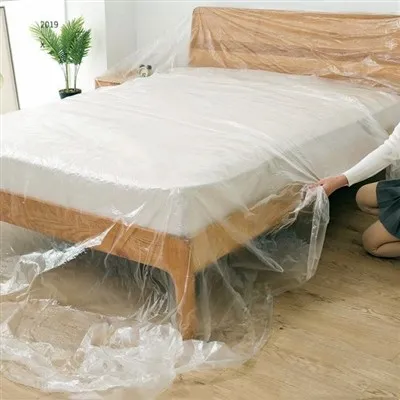
In the furniture industry, custom-cut protective painting films are used to protect painted surfaces during manufacturing, transportation, and storage. They are commonly used on tables, chairs, cabinets, and other furniture items to prevent scratches, stains, and other types of damage.
Construction
In the construction industry, custom-cut protective painting films are used to protect painted surfaces during building construction, renovation, and maintenance. They are commonly used on walls, floors, ceilings, and other surfaces to prevent scratches, abrasions, and other types of damage.


Electronics
In the electronics industry, custom-cut protective painting films are used to protect painted surfaces on electronic devices during manufacturing, transportation, and storage. They are commonly used on smartphones, tablets, laptops, and other devices to prevent scratches, fingerprints, and other types of damage.
Factory Supply and Product Recommendations
As a supplier of protective painting films, we offer a wide range of products to meet the needs of our customers. Our films are made from high-quality materials and are available in different thicknesses, sizes, and colors. We also offer custom-cutting services to ensure a perfect fit for your specific application.
Here are some of our recommended products:
- Factory supply Furniture Protective Film 55cm: This furniture protective film is designed to protect painted surfaces from scratches, stains, and other types of damage. It is available in a width of 55cm and can be custom-cut to fit your specific needs.
- Protective Film For Exterior Wall High Adhesive: This exterior wall protective film is designed to protect painted surfaces from UV rays, dirt, and other types of damage. It has a high adhesive strength and can be easily applied and removed without leaving any residue.
- PE Plastic Furniture Protective Film: This PE plastic furniture protective film is designed to protect painted surfaces from scratches, abrasions, and other types of damage. It is available in different thicknesses and can be custom-cut to fit your specific needs.
Contact Us for Procurement and Negotiation
If you are interested in purchasing custom-cut protective painting films or have any questions about our products or services, please contact us. We will be happy to assist you with your procurement and negotiation needs. Our team of experts will work with you to understand your requirements and provide you with the best solution for your specific application.
References
- "Protective Films: An Overview." Plastics Technology, March 2020.
- "How to Cut Protective Films." DIY Network, May 2019.
- "The Benefits of Custom-Cut Protective Films." Packaging World, July 2018.