As a leading supplier of Car Paint Protective Film, I often encounter various questions from customers. One question that frequently comes up is whether car paint protective film affects the car's aerodynamics. In this blog post, I'll delve into this topic, exploring the science behind car aerodynamics and how protective films might play a role.
Understanding Car Aerodynamics
Before we discuss the impact of car paint protective film on aerodynamics, it's essential to understand what car aerodynamics is. Aerodynamics is the study of how air moves around objects, and in the context of cars, it focuses on how air interacts with the vehicle's body. A well - designed aerodynamic car can move through the air more efficiently, which has several benefits. It can reduce drag, which in turn improves fuel efficiency, enhances stability at high speeds, and reduces wind noise inside the cabin.
The shape of a car is carefully engineered to minimize drag. Smooth curves, sloping hoods, and tapered rear ends are all features that help air flow smoothly over the vehicle. Even small details like side mirrors and door handles are designed to have a minimal impact on the air flow. When air flows smoothly over a car, it creates less turbulence, and the car can move forward with less resistance.
How Car Paint Protective Film Works
Car paint protective film, also known as clear bra, is a thin, transparent layer that is applied to the exterior of a car. Its primary purpose is to protect the car's paint from scratches, chips, and other forms of damage. The film is typically made of a polyurethane material that is durable and flexible. It can be custom - cut to fit the specific contours of a car, covering areas such as the front bumper, hood, fenders, and side mirrors.
There are different types of car paint protective films available in the market. For example, our Car Anti - scratch Protective Film is designed to provide maximum protection against scratches caused by rocks, debris, and other road hazards. It has a self - healing property, which means that minor scratches can disappear over time when exposed to heat.
The Potential Impact on Aerodynamics
Now, let's address the question of whether car paint protective film affects the car's aerodynamics. In theory, any addition to the car's surface can potentially disrupt the smooth air flow and increase drag. However, the key factor here is the thickness and smoothness of the protective film.
Most high - quality car paint protective films are extremely thin, usually ranging from 8 - 12 mils (thousandths of an inch). This thinness means that the film has a minimal impact on the overall shape of the car. Moreover, modern protective films are designed to have a smooth surface finish. When properly installed, the film adheres tightly to the car's body, creating a surface that is almost as smooth as the original paint.
In some cases, the installation process of the protective film can be a factor. If the film is not installed correctly, there may be air bubbles or wrinkles, which can disrupt the air flow. However, professional installers are trained to ensure a smooth and bubble - free installation. When installed properly, the film should not cause any significant increase in drag.
To further understand the impact, some automotive engineers have conducted wind tunnel tests. These tests involve placing a car in a wind tunnel and measuring the drag coefficient with and without the protective film. The results of these tests have shown that in most cases, the increase in drag is negligible. The difference in the drag coefficient is often so small that it is within the margin of error of the testing equipment.
Other Considerations
While the impact on aerodynamics is generally minimal, there are other aspects related to the use of car paint protective film that are worth considering. For example, the film can add a small amount of weight to the car. However, this weight is usually so small that it has no noticeable effect on the car's performance.
Another consideration is the long - term durability of the film. A high - quality film will maintain its smooth surface over time, ensuring that it continues to have a minimal impact on aerodynamics. On the other hand, a low - quality film may start to peel, crack, or become rough, which could potentially disrupt the air flow and increase drag.


Related Products and Their Role
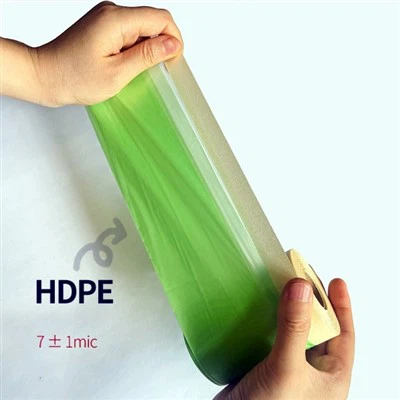
In addition to the car paint protective film, we also offer other related products that can be used in conjunction with the film. For example, our Dust Proof Plastic Masking Film is useful during the installation process. It can be used to cover areas of the car that are not being treated, protecting them from dust and debris.
High Quality Masking Tapes are also essential for a proper installation. These tapes are used to hold the film in place during the installation process, ensuring a precise and smooth fit.
Conclusion
In conclusion, while any addition to a car's surface has the potential to affect its aerodynamics, high - quality car paint protective film has a minimal impact. When installed correctly, the thinness and smoothness of the film mean that the increase in drag is negligible. The benefits of protecting the car's paint from scratches and chips far outweigh the extremely minor potential increase in drag.
If you're considering protecting your car with a paint protective film, you can rest assured that it won't significantly affect your car's performance. As a trusted supplier of car paint protective film, we are committed to providing high - quality products and professional advice. If you have any questions or are interested in purchasing our products, we encourage you to contact us for a procurement consultation. Our team of experts is ready to assist you in finding the best solution for your car.
References
- "Automotive Aerodynamics" by Joseph Katz.
- Research papers on the impact of surface coatings on vehicle aerodynamics from various automotive engineering journals.