Can furniture protective film be used on furniture in a bathroom?
As a supplier of furniture protective film, I often receive inquiries from customers about the suitability of our products for various environments, especially the bathroom. The bathroom is a unique space characterized by high humidity, frequent exposure to water, and sometimes harsh cleaning agents. So, the question of whether furniture protective film can be used on bathroom furniture is both relevant and important.
The Function of Furniture Protective Film
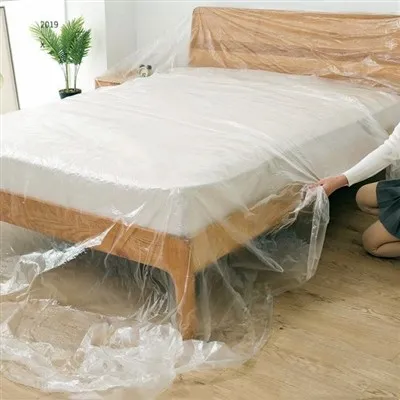
Before delving into the suitability of using furniture protective film in the bathroom, it's essential to understand what this film is designed to do. Furniture protective film is a thin layer of material that adheres to the surface of furniture. Its primary functions include protecting the furniture from scratches, stains, and minor impacts. It can also act as a barrier against dust and dirt, keeping the furniture looking new for longer.
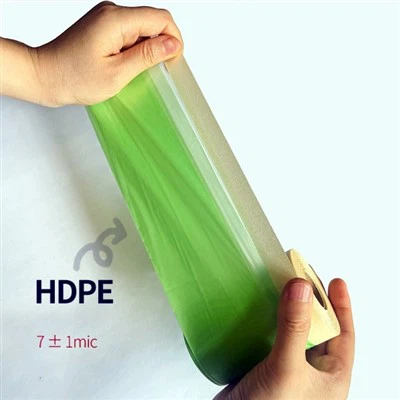
There are different types of furniture protective film available in the market. For instance, Factory supply Furniture Protective Film 55cm is a popular option for covering large - scale furniture. It provides a wide coverage area and is easy to apply. Transparent Furniture Protective Film is another type that allows the natural beauty of the furniture to shine through while still offering protection. And Table Protection Film is specifically designed for tables, protecting them from spills and scratches.
Challenges in the Bathroom Environment
The bathroom environment presents several challenges that could potentially affect the performance of furniture protective film. High humidity is one of the most significant factors. Moisture in the air can cause the film to lose its adhesion over time. If the film starts to peel off, it not only loses its protective function but also looks unsightly.
Frequent exposure to water is another issue. Water can seep under the edges of the film, leading to bubbling and detachment. Additionally, the use of cleaning agents in the bathroom can be a problem. Some cleaning products contain chemicals that may react with the film, causing it to degrade or discolor.
Suitability of Furniture Protective Film in the Bathroom
Despite the challenges, furniture protective film can still be used on bathroom furniture, but certain considerations must be taken into account.
Material Selection
When choosing a furniture protective film for the bathroom, it's crucial to select a material that is resistant to moisture and chemicals. Some films are made from polyethylene or polypropylene, which have good water - resistance properties. These materials can withstand the high humidity in the bathroom without losing their adhesion quickly.
Installation
Proper installation is key to ensuring the effectiveness of the furniture protective film in the bathroom. The surface of the furniture must be clean and dry before applying the film. Any dirt or moisture on the surface can prevent the film from adhering properly. It's also important to smooth out any air bubbles during installation to prevent water from getting trapped under the film.
Maintenance
Regular maintenance is necessary to keep the furniture protective film in good condition in the bathroom. After each use of cleaning agents, the film should be wiped dry to remove any residual chemicals. If the edges of the film start to peel, they should be re - adhered as soon as possible to prevent further detachment.
Benefits of Using Furniture Protective Film in the Bathroom
Using furniture protective film in the bathroom also offers several benefits.
Protection against Scratches
Bathroom furniture is often exposed to various objects such as towels, toiletries, and cleaning tools. These can cause scratches on the surface of the furniture. Furniture protective film acts as a buffer, preventing these scratches and keeping the furniture looking new.


Stain Resistance
Spills from toiletries, shampoos, and soaps are common in the bathroom. The protective film can prevent these substances from staining the furniture. It can be easily cleaned with a damp cloth, restoring its original appearance.
Cost - Effective
Replacing damaged bathroom furniture can be expensive. Using furniture protective film is a cost - effective way to extend the lifespan of the furniture. It provides a layer of protection at a fraction of the cost of replacing the furniture.
Case Studies
To illustrate the practical application of furniture protective film in the bathroom, let's look at some case studies.
In a small bathroom renovation project, a customer applied Table Protection Film to a wooden vanity. After six months of use, the film showed only minor signs of wear. The vanity remained scratch - free and stain - free, despite regular use of cleaning agents. The customer was satisfied with the performance of the film and reported that it had significantly extended the lifespan of the vanity.
Another case involved a large hotel bathroom. The management decided to use Transparent Furniture Protective Film on all the bathroom furniture to protect it from the high traffic and frequent cleaning. After a year, the furniture still looked new, and the film had maintained its adhesion, proving its effectiveness in a commercial bathroom environment.
Conclusion
In conclusion, furniture protective film can be used on furniture in the bathroom, but it requires careful material selection, proper installation, and regular maintenance. Despite the challenges posed by the high - humidity and chemical - rich environment of the bathroom, the benefits of using the film, such as protection against scratches and stains, make it a viable option.
If you are considering using furniture protective film for your bathroom furniture, we are here to assist you. Our company offers a wide range of high - quality furniture protective films that are suitable for the bathroom environment. Whether you need Factory supply Furniture Protective Film 55cm, Transparent Furniture Protective Film, or Table Protection Film, we have the right product for you. We welcome you to contact us for more information and to discuss your specific requirements. Let's work together to protect your bathroom furniture and enhance its longevity.
References
- ASTM International. (2023). Standard Test Methods for Evaluating the Adhesion of Protective Films. ASTM D3359.
- American Wood Council. (2022). Wood Protection in High - Humidity Environments. Technical Report.
- International Journal of Polymer Science. (2021). "Properties and Applications of Polyethylene and Polypropylene Films in Protective Coatings." Volume 2021, Article ID 6681278.